

































So you decided to pursue an Operations Manager career path and are curious about what your career may look like in a few years?
Or, maybe, you're still deciding if an Operations Manager career path is the right track for you.
Either way, we've got you covered! In this article, we'll be sharing:
- Operations Manager Careers To Pursue
- The Operations Manager Career Path: Roles, Skills, & Progression
- Operations Manager Salaries (Entry-Level, Mid-Level, & Senior Level)
- Level-Up Your Game: How To Step Into A New Operations Manager Role
Operations Manager Careers To Pursue
There are several different career opportunities you can explore in operations management. However, different industries might require more expertise in specific areas.
For example:
- An Operations Manager role at a tech startup might focus heavily on process design, cross-functional coordination, and scaling workflows to support rapid growth.
- An Operations Manager role at a healthcare company could emphasize compliance, staffing models, and service delivery optimization to ensure safe, consistent outcomes.
- An Operations Manager role at a manufacturing or logistics firm could offer opportunities in supply chain execution, quality management, and continuous improvement to reduce costs and increase throughput.
Not all companies will demand every specialty, but every specialty has a place within many different companies!

So, if you're thinking about which Operations Manager career you should pursue, it might be a good idea to first consider what kind of company you would like to work for.
Maybe you'd like to work for a company in big tech.
Maybe you're aiming for a recognized brand in healthcare.
Or, maybe, you'd like to join a startup.
You will find different operations opportunities with different scopes and setups. Having clarity about where you'd like to be within a certain time frame is key to deciding which path is right for you.
Most skills you need for an operations management career are transferable across different roles, industries, and companies. The purpose of the exercise is so you can look at the opportunities on your horizon and decide where you'd like to be in the short term and eventually down the road!
💡 Pro Tip:
If you're struggling to find out where you'd like to be, check out the article “What Should I Do With My Life? A Step-By-Step Guide” and read it from top to bottom. If “operations management” still feels like the right path, head back here and continue reading!
Once you've set your mind on your career path, it's time to understand what roles might be a good fit for you.
The Operations Manager Career Path: Roles, Skills, & Progression
We've selected the most common Operations Manager roles for each level and their job descriptions. Take a look below!
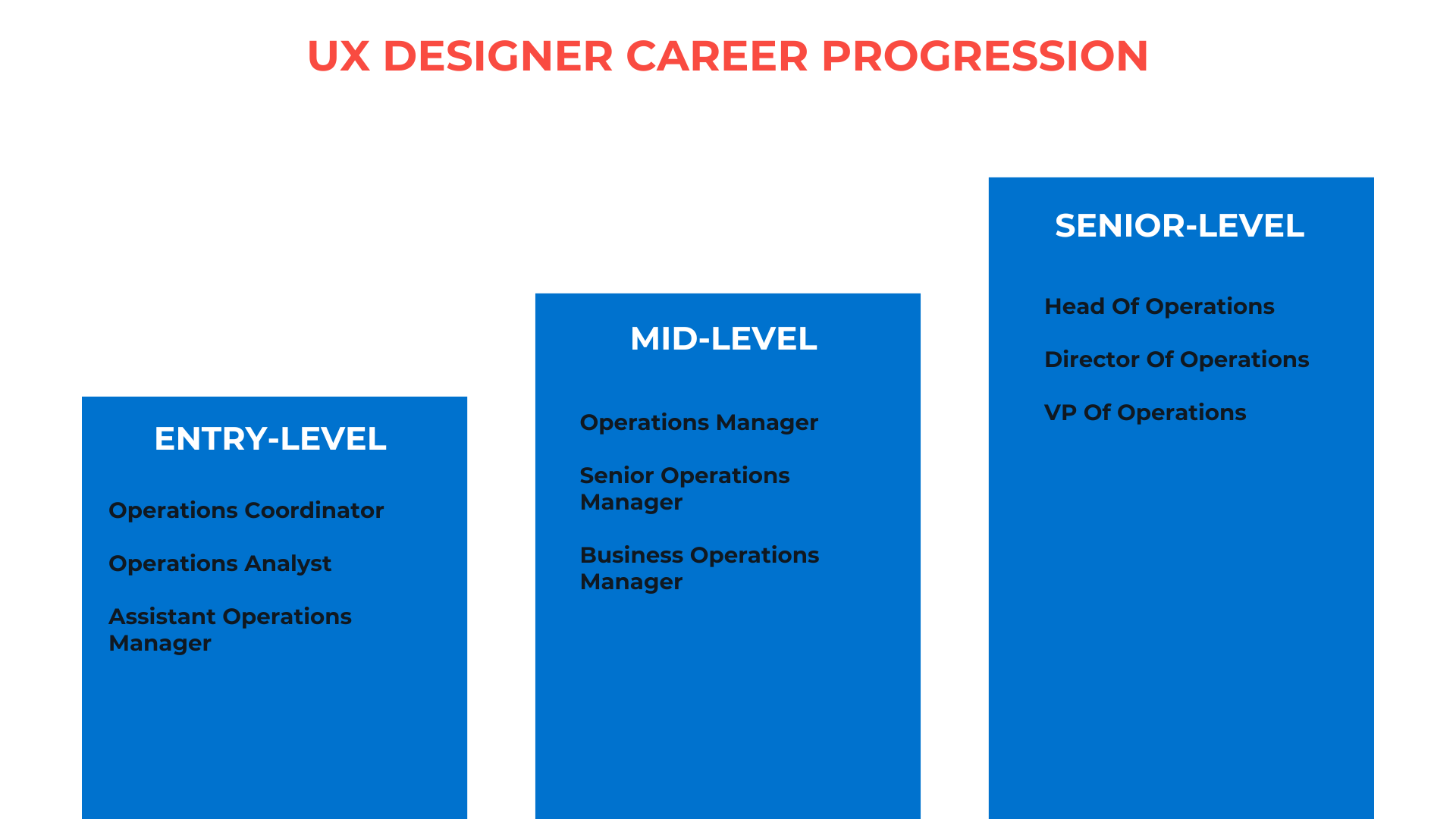
Entry-Level Operations Manager Roles
Most people begin their Operations Manager careers in specialist roles, such as:
Operations Coordinator
This role offers broad exposure to day-to-day operations and doesn't usually require extensive experience.
📝 Operations Coordinator Job Description: Responsible for supporting daily operational execution by coordinating schedules, tracking workflows, maintaining documentation, and helping teams stay aligned on priorities.
✅ Skills Required: Proficiency in spreadsheets, strong organization, attention to detail, basic reporting, and communication skills are key skills companies look for in Operations Coordinators.
⬆️ Possible progression: Operations Coordinators can progress into an Operations Manager role.
Operations Analyst
This role requires a basic understanding of operational metrics and process improvement, including how to find inefficiencies and recommend solutions.
📝 Operations Analyst Job Description: Responsible for analyzing operational performance, identifying bottlenecks, building reports and dashboards, and recommending improvements to systems, workflows, and costs.
✅ Requirements: Familiarity with data analysis, reporting, process mapping, and analytical thinking are the most required skills for this role.
⬆️ Possible progression: Operations Analysts can progress into a Senior Operations Analyst or Operations Manager role.
Assistant Operations Manager
This role generally requires a foundational understanding of operations processes and the ability to support team execution, but doesn't typically require extensive experience.
📝 Assistant Operations Manager Job Description: Responsible for supporting operational planning and daily execution by coordinating teams, monitoring performance, resolving issues, and helping implement process improvements.
✅ Requirements: Communication, problem-solving, basic project management, and comfort with operational KPIs are the most required skills for this role.
⬆️ Possible progression: Assistant Operations Managers can progress into an Operations Manager or Senior Operations Manager role.
Mid-Level Operations Manager Roles
As you gain experience, mid-level roles often involve more responsibility and the opportunity to lead projects or teams. Some common mid-level Operations Manager roles include:
Operations Manager
At this level, professionals are responsible for owning core operational workflows, leading teams, and driving performance against goals.
📝 Operations Manager Job Description: Responsible for managing day-to-day operations, leading teams, optimizing processes, and ensuring performance metrics (cost, quality, speed, service) align with business objectives.
✅ Skills Required: Process improvement, people management, project management, KPI ownership, and stakeholder communication.
⬆️ Possible progression: Operations Managers can advance to roles like Senior Operations Manager.
Senior Operations Manager
This role focuses on leading larger teams or multiple functions and driving broader operational improvements.
📝 Senior Operations Manager Job Description: Responsible for leading complex operational initiatives, managing managers, setting performance targets, and scaling systems to improve efficiency and outcomes.
✅ Skills Required: Advanced operations strategy, leadership, data-driven decision making, change management, and cross-functional alignment.
⬆️ Possible progression: Senior Operations Managers can move into positions such as Operations Director.
Business Operations Manager
This role is more specialized than entry-level roles and requires the ability to align operational execution with business goals, often across multiple teams.
📝 Business Operations Manager Job Description: Responsible for driving cross-functional initiatives, improving organizational efficiency, building operating rhythms, and partnering with leadership to execute strategic priorities.
✅ Skills Required: Strategic thinking, project management, analytics, stakeholder management, and strong communication skills.
⬆️ Possible progression: Business Operations Managers can progress to roles like Director of Operations.
Senior-Level Operations Manager Roles
Senior-level roles involve greater strategic oversight and leadership, often requiring professionals to guide larger teams and make high-level decisions.
Head of Operations
Heads of Operations are responsible for shaping the overall operations strategy and ensuring execution aligns with the company's objectives.
📝 Head of Operations Job Description: Responsible for leading the operations organization, defining operational strategy, driving cross-functional alignment, and ensuring teams deliver outcomes that impact business performance.
✅ Skills Required: Leadership, operations strategy, organizational design, stakeholder management, and strong communication skills.
⬆️ Possible progression: Heads of Operations can move up to roles such as VP of Operations.
Director of Operations
This role requires deep operations expertise and is responsible for leading high-impact operational initiatives and setting standards across teams.
📝 Director of Operations Job Description: Responsible for overseeing multiple teams and operational functions, driving continuous improvement, managing performance, and ensuring operational excellence across the business.
✅ Skills Required: Operational leadership, systems thinking, financial acumen, performance management, and high-impact communication.
⬆️ Possible progression: Directors of Operations can advance to roles like Head of Operations or VP of Operations.
VP of Operations
This role oversees the operational strategy for an organization and manages large teams and leaders.
📝 VP of Operations Job Description: Responsible for developing and executing operations strategy, leading multiple teams, overseeing operational planning and performance, and ensuring operations support company growth and objectives.
✅ Skills Required: Leadership, strategic thinking, operations expertise, and strong project and stakeholder management skills.
⬆️ Possible progression: VPs of Operations can move up to executive roles such as Chief Operating Officer (COO).
Operations Manager Salaries (Entry-Level, Mid-Level, & Senior Level)
Now that we’ve covered the most common Operations Manager career paths, you might be asking yourself what the pay range is for each role.
To answer this question, let’s head over to one of our favorite tools for salary research: Glassdoor.
Glassdoor is one of the world’s top job and recruiting websites, where users can anonymously provide information about their companies – including their current salary. Glassdoor provides an average salary range for various roles based on the information sent by its users.

According to Glassdoor, the base salary for the most common Operations Manager roles in 2026 are:
Operations Management Roles:
- Operations Manager (Entry-Level): $61K – $99K / year base pay
- Senior Operations Manager (Mid-Level): $91K – $132K / year base pay
- Director of Operations (Senior-Level): $84K – $140K / year base pay
Business Operations Roles:
- Operations Coordinator (Entry-Level): $45K – $67K / year base pay
- Business Operations Manager (Mid-Level): $74K – $118K / year base pay
- Head of Operations (Senior-Level): $77K – $144K / year base pay
Operations Strategy & Leadership Roles:
- Operations Analyst (Entry-Level): $60K – $95K / year base pay
- Operations Strategy Manager (Mid-Level): $80K – $140K / year base pay
- VP of Operations (Senior-Level): $104K – $193K / year base pay
Level-Up Your Game: How To Step Into A New Operations Manager Role
Whether you're looking for an entry-level job in operations management or aiming to advance in your operations management career, it's important to know that you don't necessarily need a graduate degree or specialization to move up the operations management career ladder. Your unique experience and skills can go a long way, as long as you learn how to sell them!
Here are a few tips and tricks that will help you land your next Operations Manager role.
1. Run A Resume Scan To Find Out Skill Gaps In Your Target Role
Wondering if you are the right fit for that target role you've been eyeing?
We've got you covered.
Here's a simple, step-by-step guide to find out if you have the skills to land a job in operations management you've:
- Copy the job description of the Operations Manager role that sparked your interest
- Head over to ResyMatch.io (or use our shortcut below)
- Grab a copy of your most updated resume
- Upload your resume on the left side
- Paste the job description on the right side
- Hit “Start Resume Scan”
Boom! ResyMatch will compare and score your resume against the job's description and identify missing skill gaps, such as:
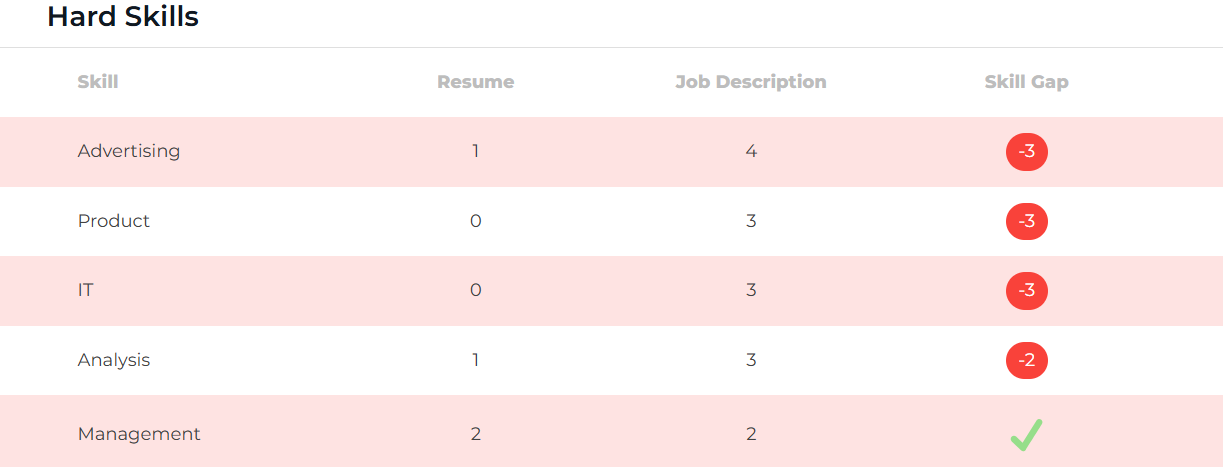
ResyMatch will also make sure your resume is ATS compatible (ATS is a software that recruiters often use to track candidates through the hiring process). And of course, ResyMatch will provide suggestions and outline best practices you can use to edit and improve your resume!
Use our shortcut below to get started:
Scanning...

2. Update Your Resume With Compelling Resume Bullets
After you've compared your resume against your target job description, you will likely find yourself in one of two scenarios:
1. You have some missing skills that you'll need to master before taking on a new role — if that's the case, you can take action and start building those skills through online courses and a portfolio strategy.
OR…
2. You have already mastered most of the skills — if that's the case, all you need to do is update your resume with compelling resume bullets, leveraging the keywords found in your resume and job description scan.
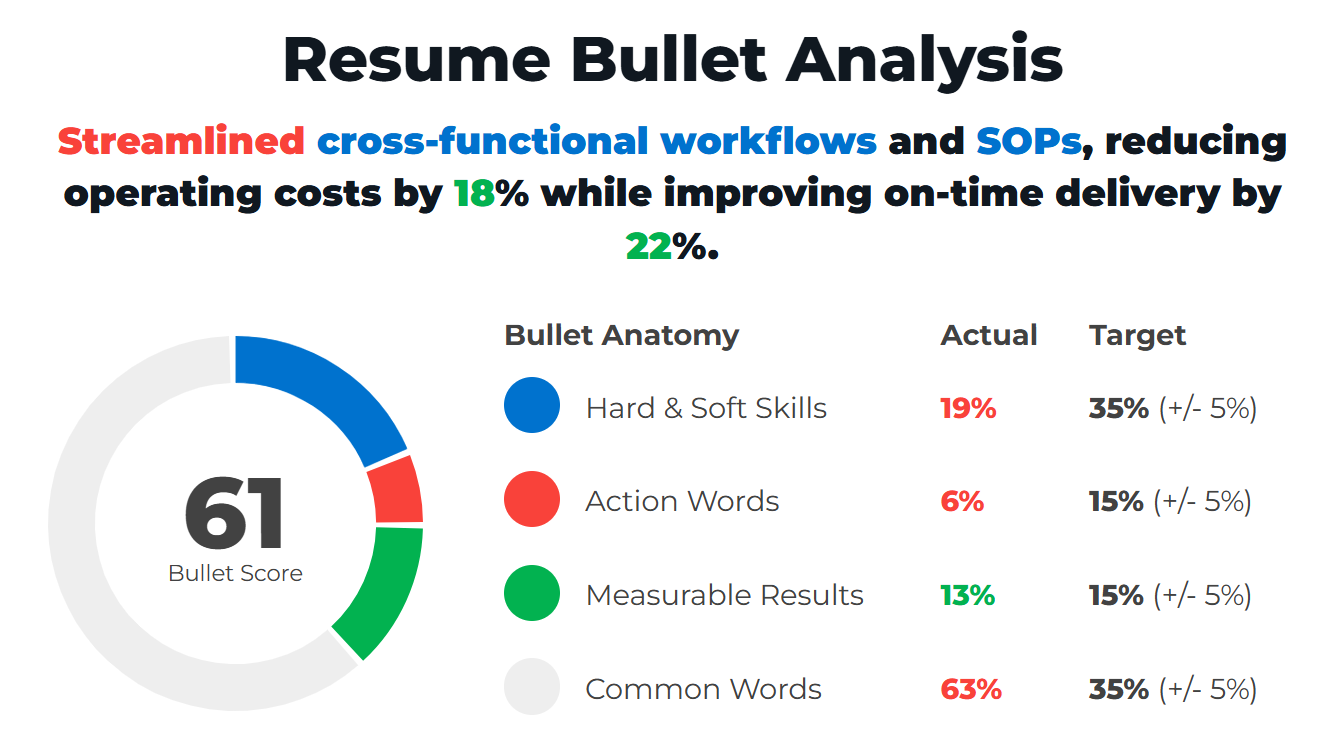
To get started, you'll want your resume bullets to have just the right amount of hard and soft skills, action words, measurable results, and common words.
This means a compelling resume bullet for someone applying for an Operations Manager role might look something like this:
Streamlined cross-functional workflows and SOPs, reducing operating costs by 18% while improving on-time delivery by 22%.
This bullet focuses on hard and soft skills specific to operations management, while also showcasing measurable results!
To help you write the perfect resume bullet, we've created ResyBullet.io, a free resume bullet analyzer that helps you write your resume in a way that grabs attention and illustrates value. Simply copy and paste your resume bullet below to begin your analysis:
ResyBullet will analyze and score your resume bullet and give you actionable insights for improvement.
Here's how our resume bullet scored on ResyBullet:
If you're a visual learner, check out our video that walks you through the step-by-step of writing a crazy-effective resume bullet:
3. Build A Visually Appealing, ATS-Friendly Resume
Now that you've updated the content on your resume, it's time to transfer it over to an awesome layout that's also ATS-friendly.
We recommend using a resume template so you can save the time you'd normally spend designing your resume and instead allocate it to your job search.
You can use ResyBuild.io, a free AI resume builder, to easily build and customize your resume in no time. Just pick one of the templates below and get started:

Free Job-Winning Resume Templates, Build Yours In No Time.
Choose a resume template below to get started:
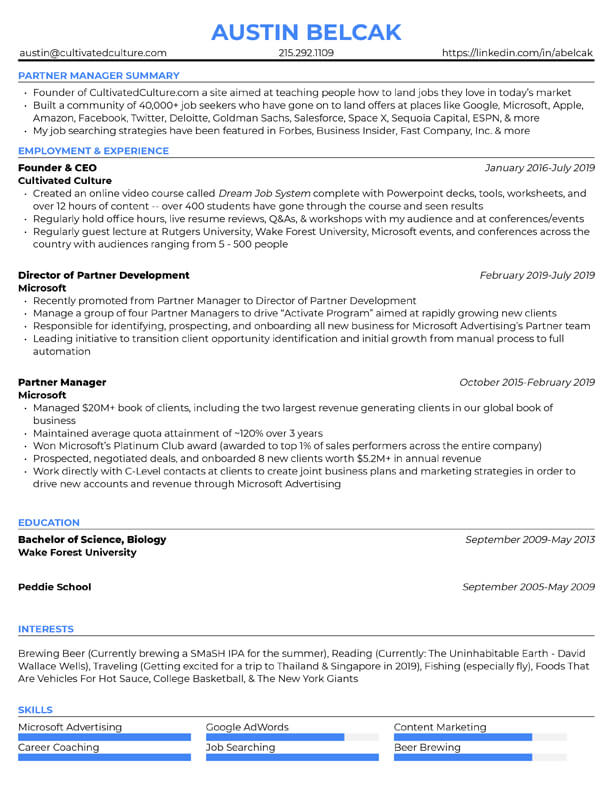
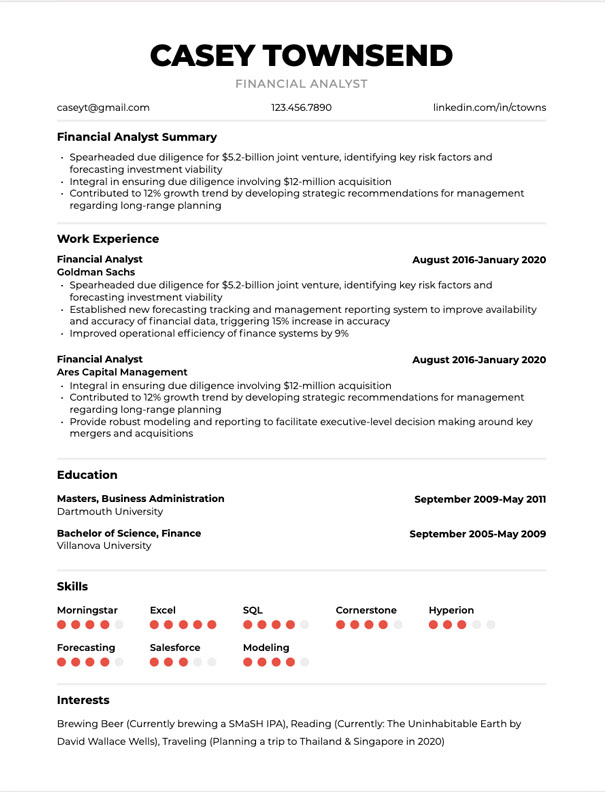
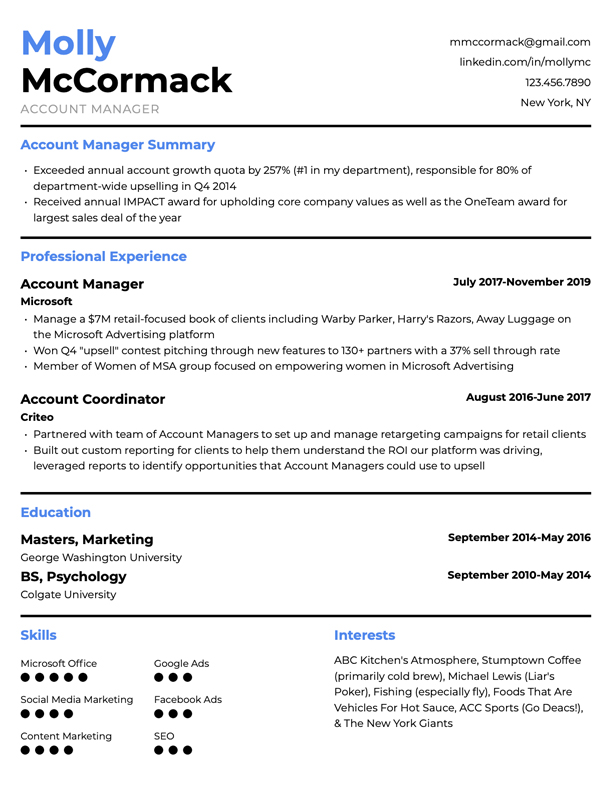
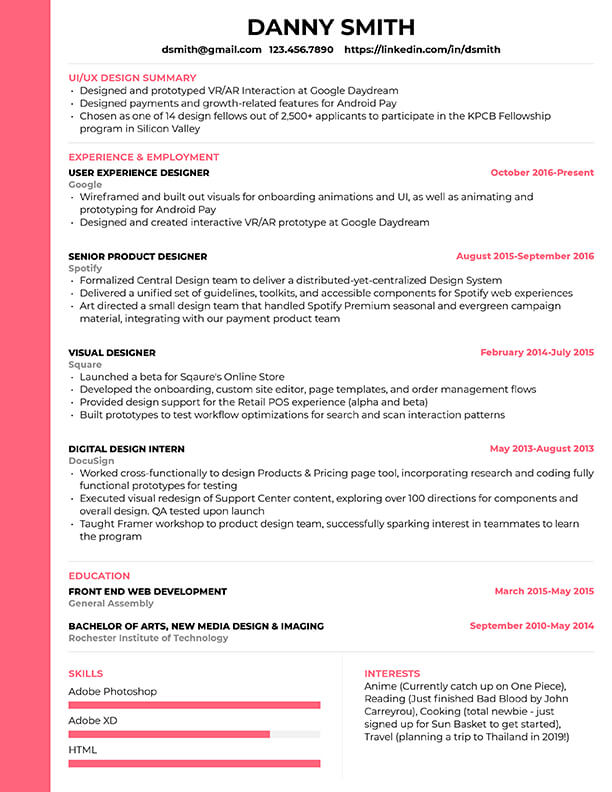
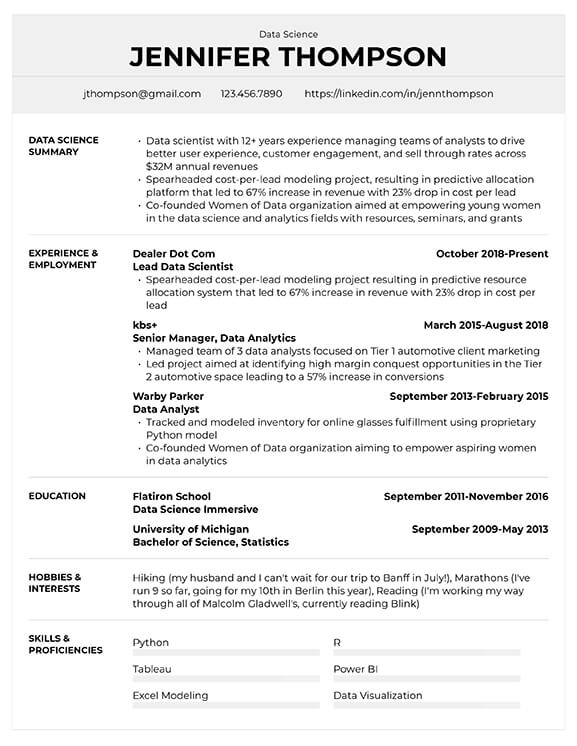
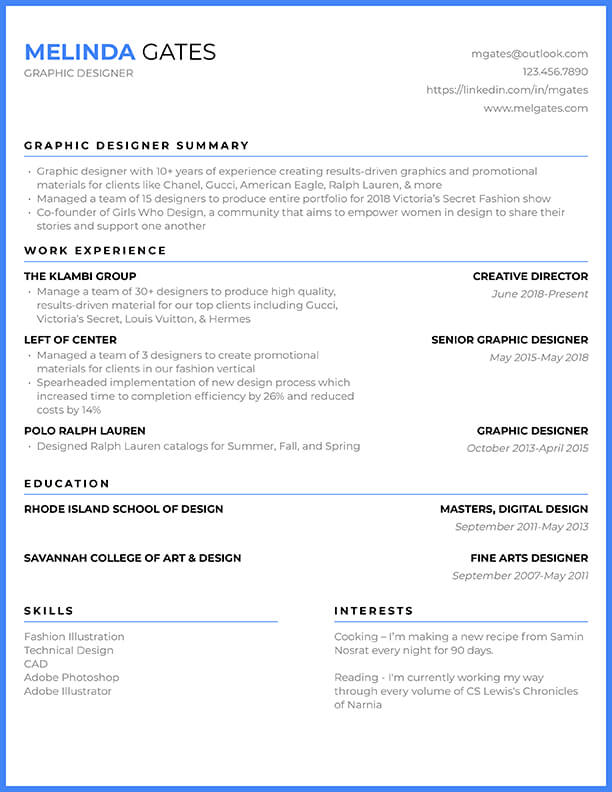
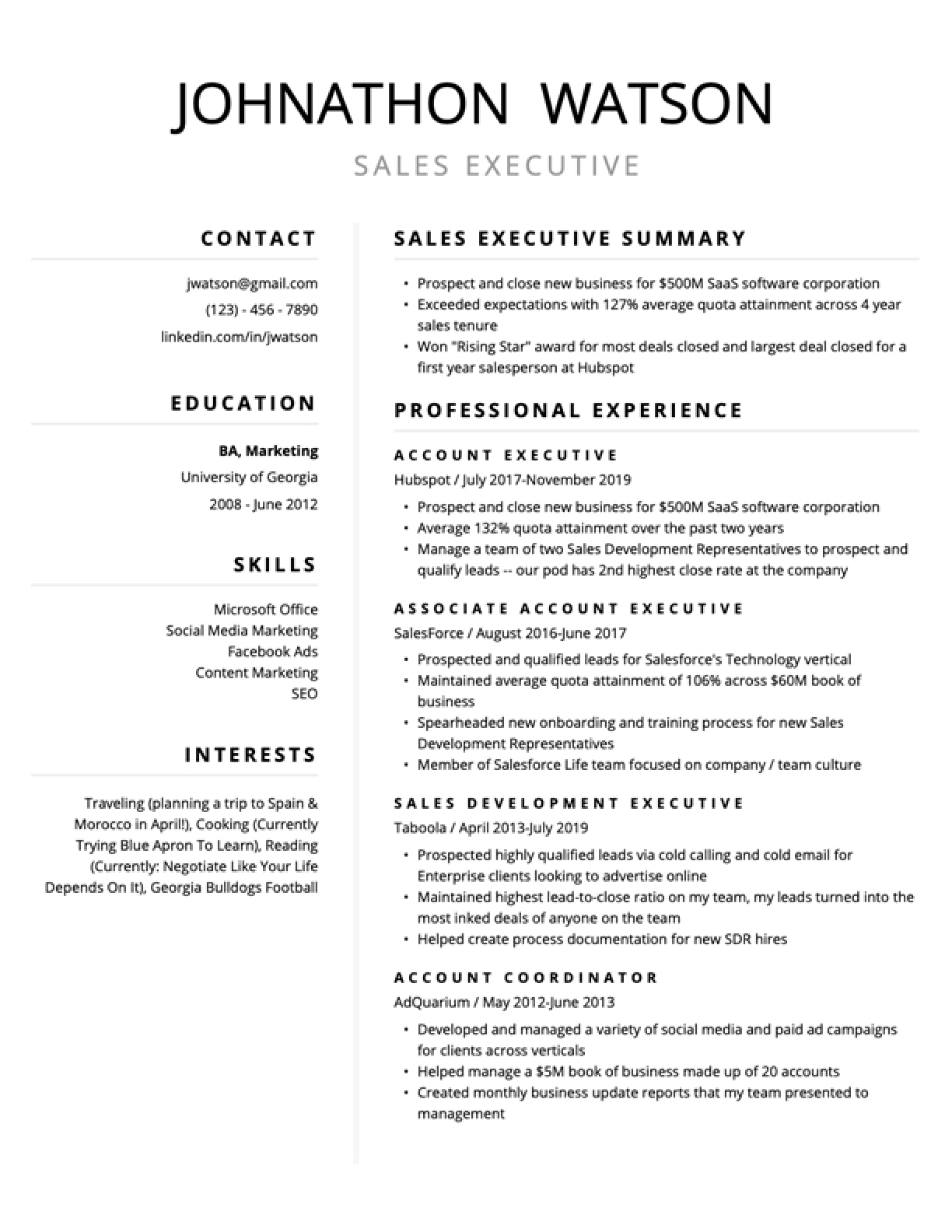
Choose from 8 proven templates and easily create, edit, and customize your resume. ResyBuild's AI assistant also helps you craft personalized, job-winning bullets in a single click. Simply add your experience, hit “Optimize,” and watch the magic happen.

4. Don't Apply Online — Do This Instead
The most common next step in the process is to start applying for Operations Manager roles.
While applying online can absolutely be the next step in your job search, the truth is, it will only get you so far. In fact, only 2% of resumes submitted for the average open role end up reaching the interview stage.
Sure, optimizing your resume will boost your chances of being a part of that 2%.
But some estimates, like this one from the Wall Street Journal, show that 80% of hires come from referrals.
This means your best shot at landing the role you've been eying is through networking.
And no, we're not talking about attending conferences, events, and meetups. We're talking about a fresh approach that really builds relationships and gets your resume at the top of the resume pile at companies like Microsoft, Google, Uber, and more.
You can read all about it in our flagship guide for effective job searching:
Read More: How To Get A Job Anywhere Without Applying Online
Final Notes
Whether you're just starting out or looking to advance in your Operations Manager career, getting clarity on the possibilities ahead of you can help you navigate your career with more ease.
Just don't forget: your career path isn't set in stone. Jobs and career goals will often evolve with life transitions. Always remember that your career should adapt to fit your life and not the other way around.