
























Ever open a job posting, see “organizational skills” sitting in the Requirements column, and think, Sure, I’ve got those. But how do I prove it?
Spoiler: pasting “organizational skills” into your resume skills box won’t move the needle. Hiring managers have seen that trick a thousand times.
What grabs their attention are concrete wins backed by data.
The best part? Showcasing those wins is easier than you might think when you follow a simple, repeatable formula.
In this article, you’ll learn:
- What Are Organizational Skills
- Why Organizational Skills Matter More Than Ever
- Organizational Skills Frequently Asked Questions
- How To Add Organizational Skills To Your Resume (With Examples)
- Bonus Tip For Adding A Dedicated Skills Section (And The Quickest Way To Build One)
What Are Organizational Skills?
Organizational skills are the habits, systems, and soft skills that allow you to plan, prioritize, and execute tasks efficiently.
They break down into two broad buckets:
- Internal Skills: self-management behaviors such as time management, task prioritization, goal setting, and focus.
- External Skills: processes that keep information, resources, and people aligned, including delegation, documentation, and workflow design.
Below are some of the most in-demand organizational micro-skills employers look for:
- Time Management: building realistic schedules and meeting them.
- Project Planning: scoping milestones, resources, and risk.
- Collaboration & Delegation: assigning work to the right people and clearing obstacles.
- Documentation & Record-Keeping: creating a single source of truth so the team never loses context.
- Prioritization & Goal Setting: deciding what matters most and communicating it.
- Process Optimization: spotting bottlenecks and improving workflows.
Master even a handful of these, and you’ll not only boost productivity, you’ll demonstrate leadership potential and reduce on-the-job stress for everyone around you.
Why Do Organizational Skills Matter More Than Ever?
Remote work, leaner teams, and AI-powered workflows have made one thing crystal clear: people who can juggle priorities without dropping the ball are highly valued by top-performing teams.
Disorganized processes bleed revenue. A delayed product launch, a missed compliance filing, or an ignored sales lead can cost companies big money.
That’s why hiring managers don't just want to read “organizational skills” on your resume. They want you to prove you have them! Show them you can create order out of chaos, and you’ll be fast-tracked for interviews.
Organizational Skills FAQ
Still have lingering questions about leveling up and proving your organizational chops? Dig into the FAQ below for clarity:
1. Do I list “organizational skills” under hard skills or soft skills?
Organizational skills can live in both camps depending on how you apply them.
Hard skills involve executing a specific task with a tool, framework, or method you can point to:
- Scheduling meetings in Google Calendar
- Building a monthly content calendar in Trello
- Analyzing sales data with Excel pivot tables
Soft skills showcase the strategic mindset that guides those tasks:
- Prioritizing weekly tasks to keep projects on track
- Mapping a six-month content strategy for brand growth
- Spotting and mitigating project risks before they escalate
Whether you file them under hard or soft skills, the key is pairing each claim with evidence that proves you can put it to work.
2. I’m an entry-level candidate. What proof can I provide?
“Entry-level” doesn’t mean evidence-free.
Dig into class projects, volunteer work, or side hustles where you managed people, deadlines, or data, and pack those wins with action + scope + result.
For example:
- Coordinated a five-person capstone team and shipped the MVP two weeks early
- Streamlined donation-tracking for a local food bank, cutting data entry time by 30 %
- Planned a 40-attendee tech meetup from venue booking to post-event survey in under four weeks
Bottom line: employers care less about job titles and more about proof you can bring order to chaos, so lead with the impact you’ve already made
3. Is multitasking an organizational skill?
Short answer: no. Bouncing between tasks feels busy, but it scatters focus and invites mistakes.
Real organization streamlines your workload into clear, single-task blocks so each item gets your full attention and best effort.
How To Add Organizational Skills to Your Resume (With Examples)
Great resumes don’t merely list a skill. They prove it through specific accomplishments.
When writing your resume, you'll want to prove your organizational skills through compelling resume bullets that showcase your results.
For example, this is what a resume bullet for an Administrative Assistant might look like:
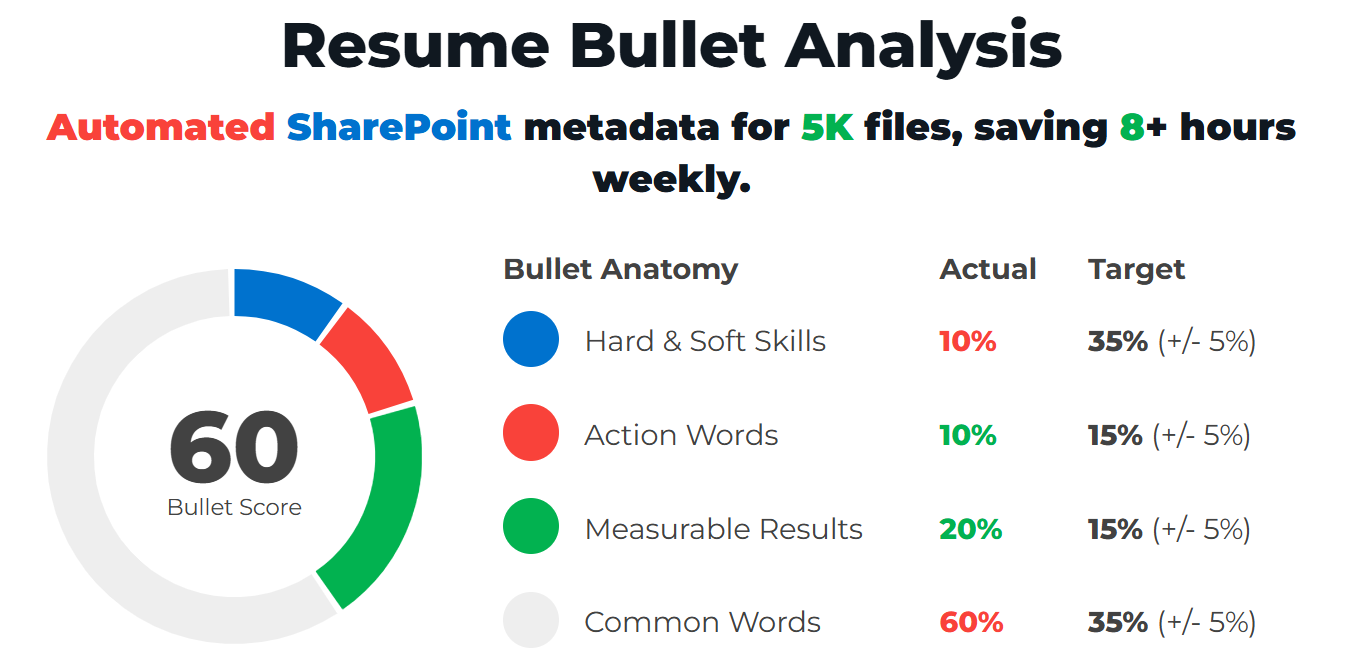
Automated SharePoint metadata for 5K files, saving 8+ hours weekly.
This bullet point is effective because:
✅ It showcases an action and a result (the action being the SharePoint automation, saving 8+ hours weekly as a result)
✅ It uses measurable metrics (“5K files” and “8+ hours weekly”)
✅ It uses action words (“automated”)
✅ It uses hard skills (“SharePoint”)
It also follows the XYZ formula that recruiters love: Accomplished [X] as measured by [Y], by doing [Z].
Generate & Analyze Resume Bullets With ResyBullet.io
Want to make sure your resume bullet is spot-on?
Try ResyBullet.io, our free resume bullet analyzer.
ResyBullet analyzes and scores your resume bullets, providing instant feedback on areas to improve.
For example, here's what we scored for our resume bullet above:
Use our shortcut below to get started:
Organizational Skills Examples
Wondering how you can fit organizational skills into your resume? Here are a few examples for multiple industries so you can get inspired!
Tech Organizational Skills For Resume Example
Launched sprint dashboard in Jira, boosting on-time story completion from 68 % to 93 % within two quarters.
Healthcare Organizational Skills For Resume Example
Introduced color-coded medication logs that cut administration errors by 45 % on a 28-bed ward.
Sales Organizational Skills For Resume Example
Built automated lead-routing workflow in HubSpot, decreasing average response time from 4 h to 45 min and raising SQL conversion by 18 %.
Education Organizational Skills For Resume Example
Created weekly lesson-plan matrix aligning state standards, increasing curriculum coverage from 82 % to 100 %.
Project Management Organizational Skills For Resume Example
Mapped resource gantt charts that delivered a $1.8 M renovation 12 days ahead of schedule.
Finance Organizational Skills For Resume Example
Consolidated 14 Excel trackers into a single Google Sheets model, reducing monthly close time by 30 %.
Marketing Organizational Skills For Resume Example
Implemented Trello editorial calendar, doubling publication cadence without added headcount.
Customer Support Organizational Skills For Resume Example
Rolled out Zendesk macros and tagging schema that cut first-reply SLA breaches from 27 % to 6 %.
Operations Organizational Skills For Resume Example
Optimized pick-pack staging with 5S methodology, raising hourly throughput by 22 %.
Non-Profit Organizational Skills For Resume Example
Launched Airtable asset library, saving volunteers 10 hrs/week in duplicate research.
Notice how each example ties an organizational action to a quantifiable result.
That’s what recruiters remember!
Bonus Tip For Adding A Dedicated Skill Section (And The Quickest Way To Build One)
Adding a skill section is a great way to leverage the right keywords for your resume.
But there are only so many skills you can add. So, which ones should you focus on?
Ideally, you want your skill section to have 5-10 skills targeted for the role you're applying for.
Here's how you can tailor your skill section according to the job description:
- Open the job description of the role you are applying for and copy it
- Go to ResyMatch.io
- Paste the job description to the right
- Grab the most recent version of your resume and upload it on the left
- Start a free resume scan
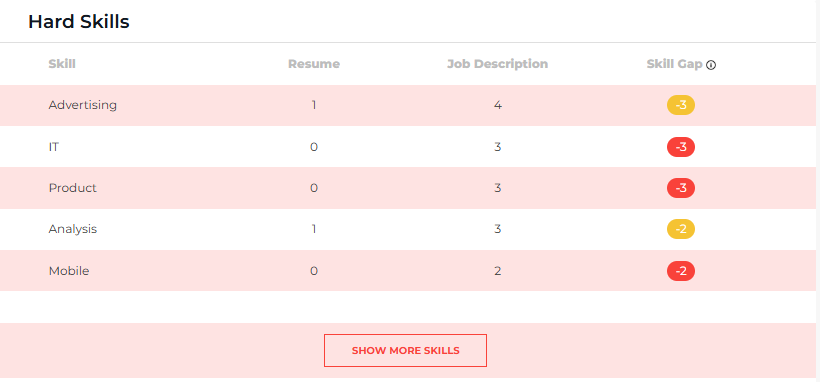
Boom! ResyMarch.io will scan and compare your resume with the job description and identify any skill gaps:
Use our shortcut below to get started:
Scanning...

Also, when crafting your skill section, don't forget to:
- Be specific. List Notion or Trello rather than “productivity software.”
- Lead with relevance. Match the top five skills from the job description first.
- Group logically. For example: “Project Tools: Asana, ClickUp | Docs & Sheets: Google Workspace, Excel PowerQuery.”
Now that we've covered that up, it's time to pack that into an ATS-friendly resume template.
The best way to do this?
Using tools like ResyBuild.io, which help you create a clean, ATS-optimized resume with templates with a dedicated skill section.
What Is ResyBuild.io And How Can You Use It To Build An Awesome Resume?
ResyBuild.io is a free AI resume builder that helps you easily build and customize your resume in no time.
Choose from 8 proven templates and easily create, edit, and customize your resume. ResyBuild's AI assistant also helps you craft personalized, job-winning bullets in a single click. Simply add your experience, hit “Optimize”, and watch the magic happen.
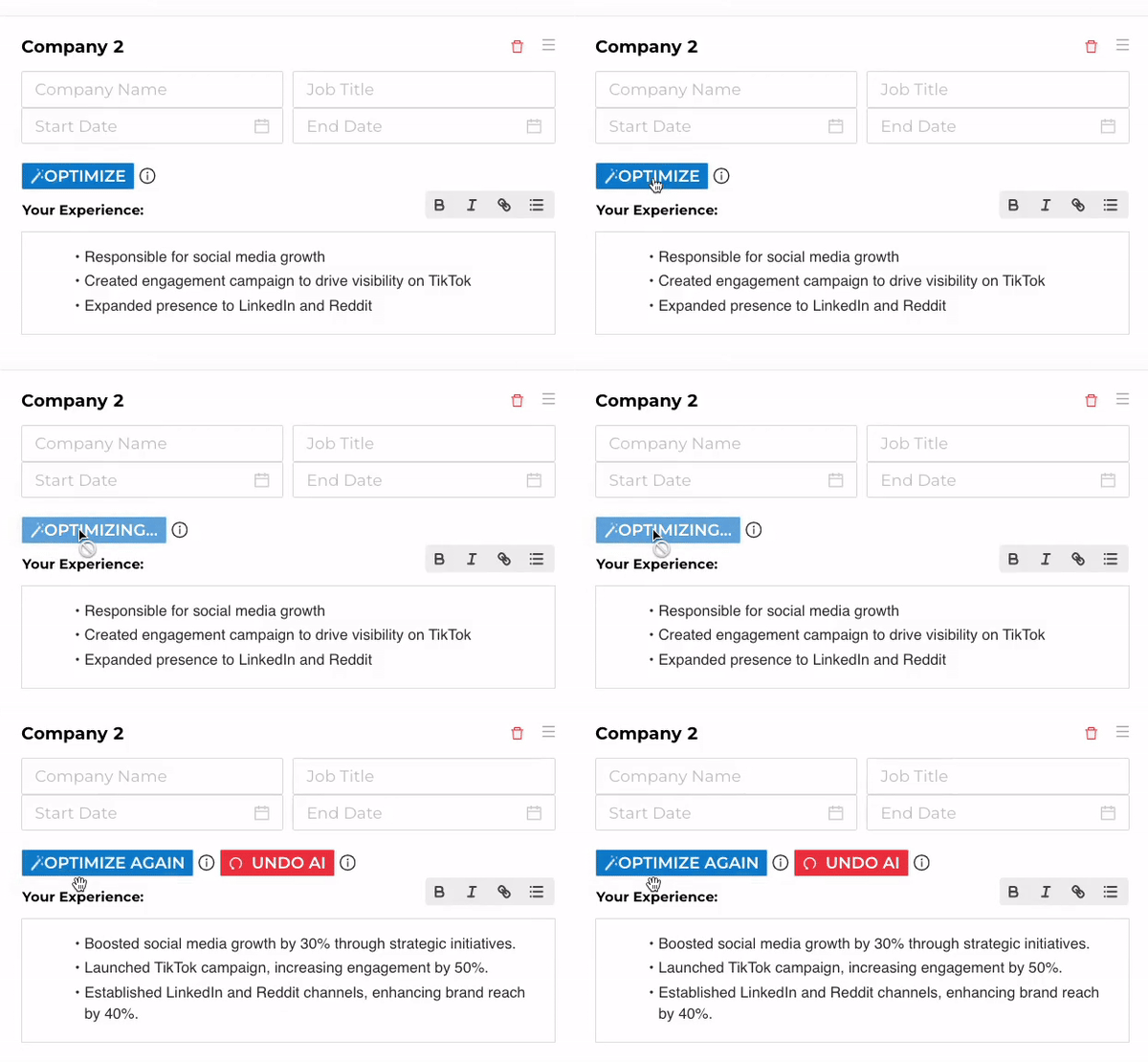
ResyBuild is also ATS-friendly, meaning it will help you write and design your resume in a way that doesn't get filtered out by ATS checkers, a software recruiters use to manage applications.
Here's how to use it:
- Go to ResyBuild.io and pick a template
- Import your resume (or start a new one from scratch)
- Edit all of the sections of your resume and optimize your resume bullets with the embedded AI feature
- Finalize and download your resume
Once you're done, you can also run a scan with ResyMatch.io to see how it scores against your job description!
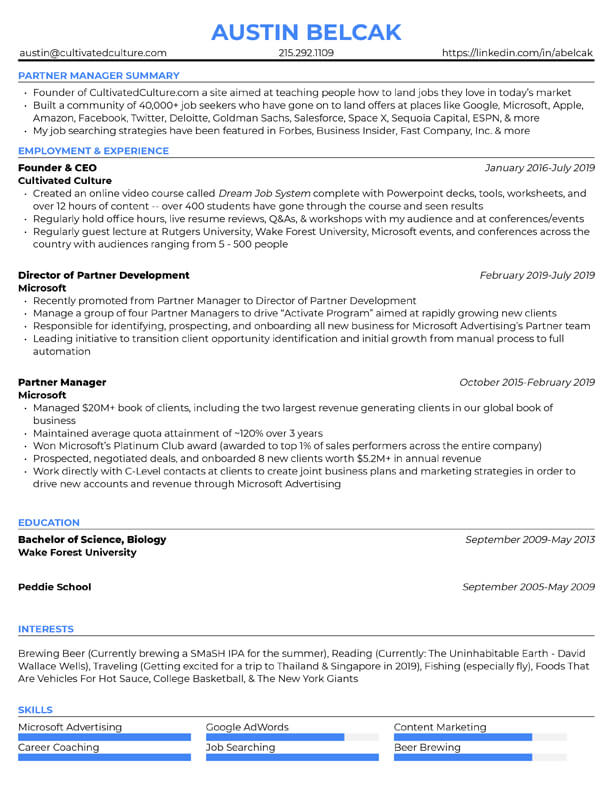
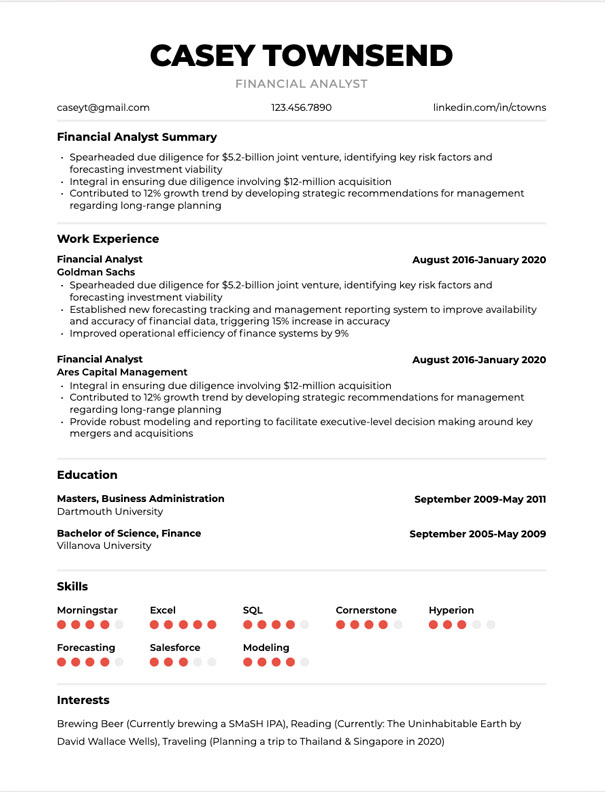
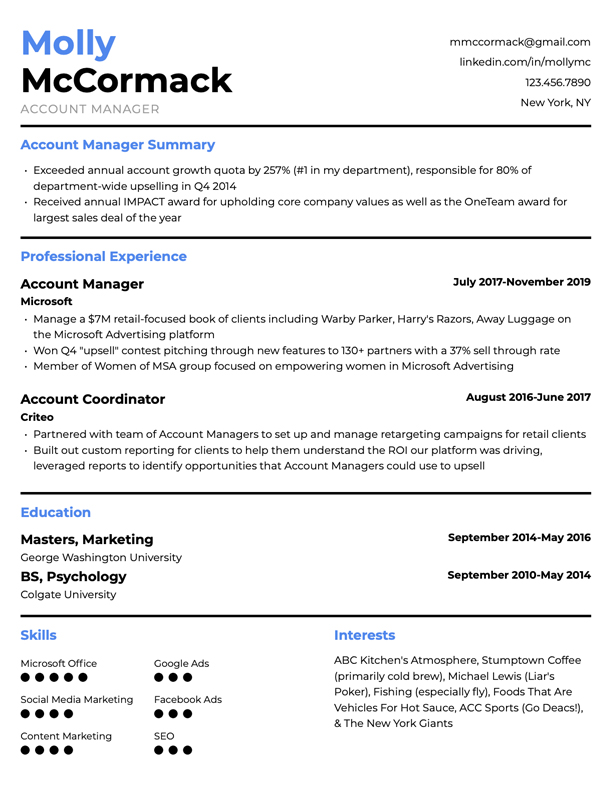
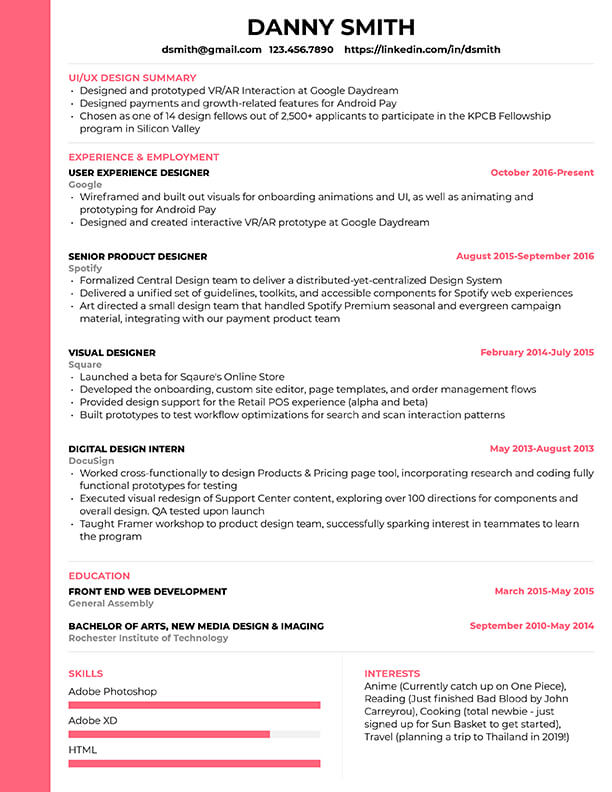
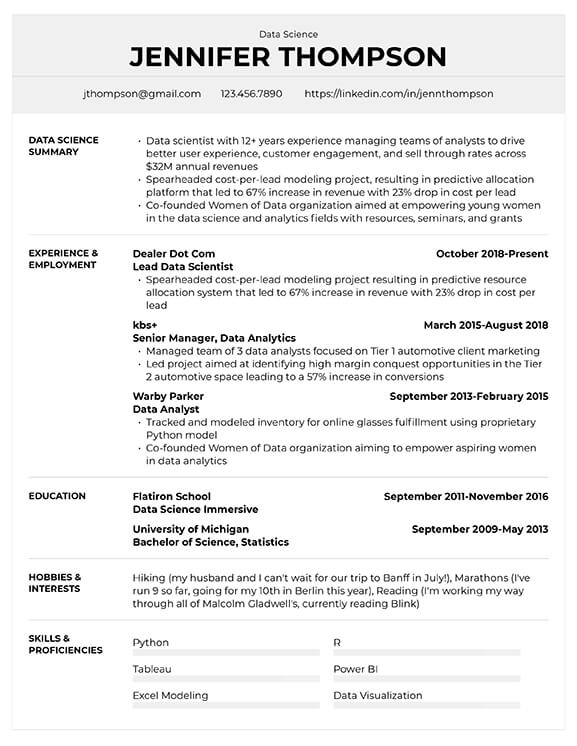
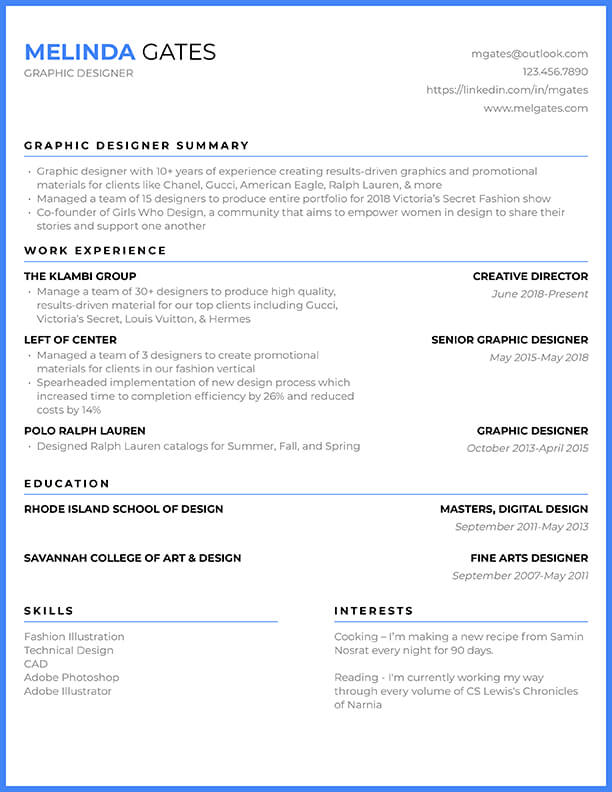
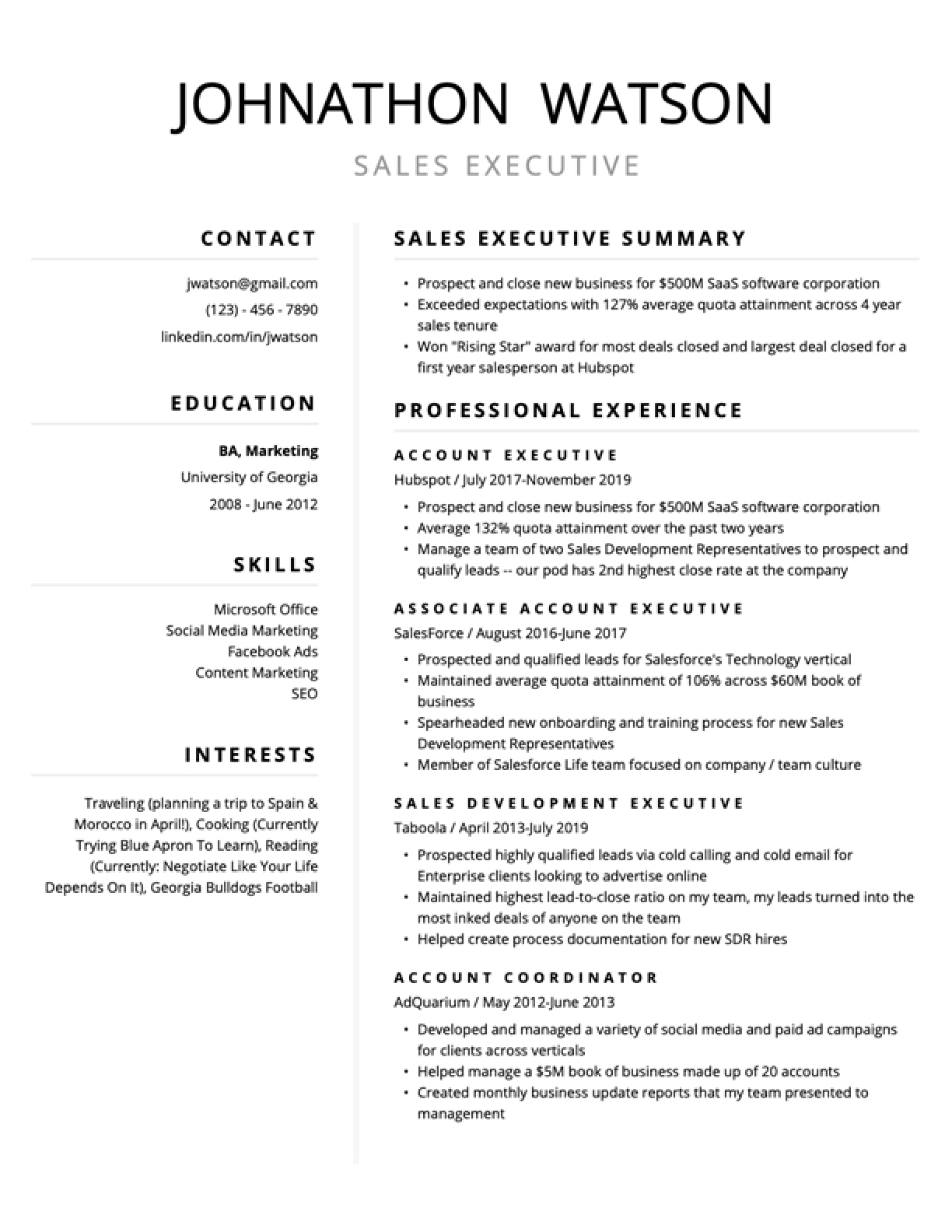
Pick a template below to get started:

Free Job-Winning Resume Templates, Build Yours In No Time.
Choose a resume template below to get started:
Key Takeaways
To wrap it up, here’s your quick-hit checklist for turning generic “organizational skills” into job-winning proof recruiters can’t ignore:
- Write your resume bullets in using the XYZ formula
- Run each bullet through ResyBullet.io and don’t stop tweaking until your score tops 60.
- Use ResyMatch.io to pull 5-10 must-have skills straight from the job description and plug them into a dedicated Skills section.
- Name-drop the exact tools you use (think “Project Tools: Asana, Jira | Docs & Sheets: Google Workspace, Excel PowerQuery”) so recruiters see instant relevance.
- Drop everything into an ATS-friendly template from ResyBuild.io, then run one final ResyMatch scan to make sure every keyword is accounted for.
You got this!