































Looking for low-stress jobs that pay well without a degree?
If you’ve been told “you need a four-year degree to make good money,” here’s some good news: plenty of corporate roles in Sales, Marketing, Product, IT, and HR will pay you well without a diploma on the wall.
Even better, many of them offer predictable schedules, calm workflows, and low fire-drill risk (aka, low-stress).
Below you’ll find 25 corporate jobs that fit that bill. For each one, you’ll get what the work actually looks like, a realistic U.S. pay range, and why it tends to be lower stress.
But before we begin, let's start by clarifying:
Our Definition Of Low-Stress Jobs
We know that stress in the workspace is mostly defined by elements that aren't inherent to the role itself, such as:
- Company culture
- Hierarchies
- Processes
- And much more
Meaning even the best, low-stress jobs on paper can become very fatiguing in the wrong companies.
However, some characteristics of the role can significantly reduce the risk of facing fire drills and high stress.
So here are the main aspects we consider “low-stress”:
- Predictable cadence: Work that runs off sprints or recurring calendars.
- Clear scope: Responsibilities with tight swim lanes and measurable outcomes.
- Autonomy: You can solve problems without running through 5+ executives.
- Asynchronous-friendly: Work that can be batched or done independently, with fewer live meetings.
Quick Navigation
Interested in a specific “low-stress” role? Jump straight to the section below to learn more about the industry you're eyeing!
Let's get started!
25 High-Paying, Low-Stress Jobs
While stress can vary by company and manager, these jobs generally present fewer cortisol spikes for the pay you get.
Sales & Customer Jobs

Sales and customer-focused roles are heavily concentrated on building relationships, but also include strategic thinking and interactions with other departments like Marketing and Product.
The daily work centers on scheduled meetings, check-ins, and onboarding milestones.
Success is measured by steady outcomes like adoption, revenue, renewal rate, and expansion.
Sales & Customer roles include:
1) Customer Success Manager (CSM)
A CSM owns renewals and adoption for existing customers. Daily activities include running onboarding calls, check-ins, plus escalating issues to support or product.
Typical pay: $65K – $111K base pay (Glassdoor, 2026)
Desirable skills: communication, project management, customer journey mapping, onboarding design, churn identification, CRM proficiency (e.g., Salesforce, HubSpot), light data analysis.
2) Account Manager (Existing Accounts)
An Account Manager maintains and grows assigned customers through renewals and expansion. Daily activities include relationship check-ins, usage reviews, renewal processing, and coordinating cross-sell opportunities.
Typical pay: $59K – $91K base pay (Glassdoor, 2026)
Desirable skills: stakeholder management, contract basics, forecasting, CRM hygiene, commercial acumen, and meeting facilitation.
3) Sales Enablement Specialist
A Sales Enablement Specialist equips sales reps with training, content, and tools to close deals. Daily activities include building playbooks, onboarding paths, battlecards, and running enablement sessions. Most of the work consists of project-based deliverables on a predictable calendar, with limited quarter-end chaos.
Typical pay: $68K – $103K base pay (Glassdoor, 2026)
Desirable skills: instructional design, content creation, knowledge base tools (LMS), call-intelligence platforms, analytics, and change management.
4) Sales Operations (RevOps) Analyst
A RevOps Analyst keeps revenue systems accurate and efficient. Daily activities include CRM administration, pipeline and forecast reporting, lead routing, and automation maintenance.
Typical pay: $70K – $100K base pay (Glassdoor, 2026)
Desirable skills: Salesforce/HubSpot admin, Excel/Sheets & basic SQL, revenue analytics, workflow automation, process mapping.
Marketing Jobs

5) SEO Specialist
An SEO Specialist drives qualified traffic through content and technical optimization. Daily activities include keyword research, brief creation, on-page fixes, and performance reporting.
Typical pay: $65K – $114K base pay (Glassdoor, 2026)
Desirable skills: keyword clustering, on-page SEO, internal linking, technical SEO basics, GA4/Search Console, reporting.
6) Email Marketing Specialist
An Email Marketing Specialist plans and executes lifecycle campaigns. Daily activities include building journeys, segmenting audiences, A/B testing, and tracking performance metrics. Campaign calendars and automation flows create predictable work blocks.
Typical pay: $50K – $86K base pay (Glassdoor, 2026)
Desirable skills: ESP fluency (e.g., Klaviyo, HubSpot, Iterable), personalization, deliverability, automation logic, copywriting, basic HTML.
7) Marketing Operations Specialist
A Marketing Ops Specialist owns the marketing stack and data flows. Daily activities include lead routing, scoring, attribution, UTM governance, and integration upkeep.
Typical pay: $51K – $81K base pay (Glassdoor, 2026)
Desirable skills: Marketo/HubSpot admin, data taxonomy, integrations/APIs, attribution models, GA4, process design.
8) Lifecycle/CRM Marketing Specialist
A Lifecycle/CRM Specialist orchestrates triggered messaging across email/SMS/in-app. Daily activities include event mapping, audience building, journey tests, and cohort reporting.
Typical pay: $53K – $91K base pay (Glassdoor, 2026)
Desirable skills: journey orchestration (e.g., Braze, Iterable), trigger/event design, holdouts, product analytics, UX copy, privacy/consent basics.
9) Affiliate Marketing Manager
An Affiliate Manager grows revenue via partner programs. Daily activities include recruiting partners, managing platforms and links, optimizing offers, and reporting on ROI.
Typical pay: $60K – $102K base pay (Glassdoor, 2026)
Desirable skills: partner negotiations, networks/platforms (e.g., Impact, PartnerStack, CJ), tracking/attribution, compliance, performance analysis.
10) Content Marketing Specialist
A Content Marketer builds and executes a traffic-to-pipeline content plan. Daily activities include keyword-driven briefs, drafting/editing, CMS publishing, and analytics reviews. Editorial calendars enable batching and predictable deadlines.
Typical pay: $66K – $112K base pay (Glassdoor, 2026)
Desirable skills: content strategy, intent mapping, WordPress/CMS, on-page SEO, analytics dashboards.
Product & IT Jobs

Product roles and IT run on roadmaps, sprint cadences, and clearly scoped tickets rather than ad-hoc emergencies.
Day-to-day work includes refining intake, writing user stories and acceptance criteria, coordinating releases, testing changes, and publishing documentation. All tasks can be batched and scheduled around known change windows.
Success is measured by on-time delivery, reduced cycle time, lower defect rates, and adoption of shipped features, which rewards prioritization, crisp communication, and systems thinking.
11) Quality Assurance (QA) Analyst
A QA Analyst protects quality across releases. Daily activities include writing test cases, executing manual tests, logging defects, and collaborating on acceptance criteria. Release cycles and checklists frame the work, meaning fewer emergencies.
Typical pay: $53K – $86K base pay (Glassdoor, 2026)
Desirable skills: test design, regression planning, bug tracking (Jira), API testing (Postman), Agile/SDLC, light automation (Selenium/Cypress).
12) Technical Writer
A Technical Writer turns complex topics into clear documentation. Daily activities include deep-work writing on project timelines, drafting product guides, API docs, SOPs, and coordinating reviews with SMEs.
Typical pay: $78K – $133K base pay (Glassdoor, 2026)
Desirable skills: plain-language writing, information architecture, docs-as-code (e.g., Markdown, Git), diagramming, API familiarity, editorial standards.
13) Product Operations (ProdOps) Specialist
A ProdOps Specialist streamlines product rituals and feedback loops. Daily activities include intake/triage, sprint/release coordination, beta programs, and release notes.
Typical pay: $50K – $89K base pay (Glassdoor, 2026)
Desirable skills: prioritization frameworks, Jira/Productboard/Confluence, change communication, feedback synthesis, light analytics.
14) Business Analyst (Ops/Systems)
A Business Analyst translates business needs into clear requirements. Daily activities include process mapping, stakeholder interviews, documenting user stories, and coordinating UAT.
Typical pay: $82K – $135K base pay (Glassdoor, 2026)
Desirable skills: requirements elicitation, BPMN/swimlanes, acceptance criteria, SQL/BI basics, facilitation, BRD/FRD writing.
15) Salesforce Administrator
A Salesforce Admin stes up CRM architecture and automations. Daily activities include building flows, permissions, reports/dashboards, and data hygiene/migrations.
Typical pay: $68K – $103K base pay (Glassdoor, 2026)
Desirable skills: object/data model design, flows/validation, security, SOQL basics, data loader/deduping, API/middleware basics.
16) IT Support Specialist (Tier 1–2)
An IT Support Specialist resolves end-user issues and maintains devices/accounts. Daily activities include ticket triage, device imaging, provisioning, and routine troubleshooting.
Typical pay: $48K – $73K base pay (Glassdoor, 2026)
Desirable skills: ticketing systems, Windows/macOS admin, MDM (Intune/Jamf), IAM (Okta/Azure AD), basic networking, documentation.
17) Systems Administrator
A Systems Administrator maintains servers, backups, and environments. Daily activities include patching, monitoring, backup/restore checks, and scheduled maintenance.
Typical pay: $77K – $115K base pay (Glassdoor, 2026)
Desirable skills: Linux/Windows admin, virtualization, storage/backup/DR, monitoring, scripting (Bash/PowerShell), security hardening.
18) Network Support Specialist
A Network Support Specialist monitors and troubleshoots network health. Daily activities include handling tickets, change-control tasks, Wi-Fi/VPN issues, and documenting runbooks.
Typical pay: $61K – $98K base pay (Glassdoor, 2026)
Desirable skills: routing/switching, firewall/VPN basics, wireless, monitoring tools, change control, clear documentation.
19) Data Analyst
A Data Analyst turns raw data into business insights and dashboards, with work consisting of project-based analystics with agreed-upon deadlines and scope. Daily activities include querying datasets, building visualizations, and answering stakeholder questions.
Typical pay: $58K – $96K base pay (Glassdoor, 2026)
Desirable skills: SQL, Excel/Sheets, BI tools (Tableau/Power BI/Looker), data viz best practices, KPI design, storytelling.
20) GRC (Governance, Risk & Compliance) Analyst
A GRC Analyst maintains security/compliance programs and risk registers. Daily activities include policy updates, control testing, vendor questionnaires, and audit prep.
Typical pay: $70K – $112K base pay (Glassdoor, 2026)
Desirable skills: ISO 27001/SOC 2/NIST, risk assessment, policy writing, vendor risk, evidence collection, tracking/follow-through.
HR & People Jobs

HR and People jobs run on calendars and documented processes like onboarding checklists, benefits enrollment, performance reviews, compliance audits, and HRIS reporting.
Day-to-day work includes coordinating interviews and offers, running new-hire onboarding, updating policies, maintaining records, and managing vendors, all within clear SOPs and timelines.
Success is measured by time-to-fill and offer-acceptance rates, onboarding completion, retention/eNPS, audit pass rates, and data accuracy.
21) HRIS Analyst
An HRIS Analyst administers HR systems and reporting. Daily activities include data integrity checks, workflow configuration, permissions, and dashboard creation.
Typical pay: $65K – $100K base pay (Glassdoor, 2026)
Desirable skills: Workday/BambooHR/UKG, privacy/permissions, workflow design, reporting, Excel proficiency, cross-functional comms.
22) Benefits Specialist
A Benefits Specialist manages employee benefits programs and vendor relationships. Daily activities include enrollments, employee support, broker coordination, and compliance checks.
Typical pay: $44K – $71K base pay (Glassdoor, 2026)
Desirable skills: plan design basics (HSA/PPO/401(k)), enrollment platforms, ACA/ERISA awareness, employee comms, spreadsheet modeling.
23) Learning & Development (L&D) Specialist
An L&D Specialist builds training programs and tracks learning outcomes. Daily activities include curriculum design, LMS administration, facilitation, and assessment reporting.
Typical pay: $51K – $84K base pay (Glassdoor, 2026)
Desirable skills: instructional design (ADDIE), LMS ops, facilitation, assessment/analytics, multimedia basics, program management.
24) HR Coordinator
An HR Coordinator supports people operations and can progress to Generalist. Daily activities include onboarding logistics, records management, policy updates, and HR project support.
Typical pay: $46K – $65K base pay (Glassdoor, 2026)
Desirable skills: ATS/HRIS proficiency, I-9/compliance basics, scheduling, employee communications, confidentiality, judgment.
25) Recruiting Coordinator
A Recruiting Coordinator keeps hiring pipelines moving. Daily activities include interview scheduling, ATS hygiene, candidate outreach, and pipeline reporting.
Typical pay: $42K – $58K base pay (Glassdoor, 2026)
Desirable skills: ATS operations, Boolean/X-ray search, outreach copywriting, pipeline metrics, candidate experience, organization & follow-through.
How To Pick The Right Low-Stress Job
Picking the right low-stress job starts with the kind of workday you actually want.
For example, do you want to be engaged in multiple conversations? A relationship-focused role in sales might be a good fit.
Are you the type of person who prefers deep focus and keeping meetings to a minimum? Then a role in IT might be best.
Map the environments that lower your stress and choose the lane that matches your temperament and strengths.
Then pressure-test that choice against real job descriptions and your current skills so you know exactly what to learn next.
The goal isn’t a “perfect” role. It’s one where your natural habits produce steady results without constant emergencies.
Step #1: Choose Your Lane And Work Style
Your lane isn’t just a department, it’s a work style. So start with the kind of day you want.
Use the guide below to pick the environment that matches your strengths, then shortlist 2-3 roles to explore.
Sales & Customer: People-First, Relationship-Driven
If you are energized by conversations, coaching customers, and guiding steady account growth, then Sales & Customer roles might be a good fit. They are great for listeners who love problem-solving live, framing value, and building trust over time.
Marketing: Cadenced, Analytics-Driven
Marketing roles can be a good option if you like working from briefs and calendars. They are great for clear writers, planners, and test-and-learn thinkers who enjoy dashboards.
Product & IT: Process-Oriented, Deep-Work Friendly
If you prefer clear tickets, roadmaps, and scoped problems that you can solve in focused blocks, a Product & IT lane might be the best fit for you. These roles are great for systems thinkers who love checklists, documentation, and measurable improvements.
HR & People: Programmatic, SOP-Driven
If you thrive on structure and value accuracy, working with HR might be a good choice. These roles are great for organized communicators who balance empathy with process.
Step #2: Run a Skill-Gap Reality Check
Once you pick a lane, verify what you already have vs. what the market expects. A quick audit prevents “spray-and-pray” applications and tells you exactly what to learn next.
Here's how:
Compare Your Resume To The Target Job Description
Paste a live job description and your resume into ResyMatch.io to see priority keywords, skills, and tools you’re missing.
Add the top 5-7 terms to a mini “Gap List” and plan how you’ll demonstrate each (bullet, project, or certification).
Validate With Two Insiders
DM a connection doing the job and ask:
“If you were hiring for this title, what’s one thing my resume must show?”
Use that input to tighten your Gap List and your next project.
💡 Pro tip: If two roles feel equally appealing, choose the one with a clear certification path. Certifications create instant credibility for non-degree candidates.
How To Build a Job-Winning Resume For Low-Stress Jobs
One of the first steps to landing your target role is crafting a resume that proves you're worth.
You'll want to start with writing compelling resume bullets that grab recruiters' attention.
Why? Because great bullets prove you can create outcomes.
Use this framework to convert tasks into quantified wins:
- Start with the action: Use a strong verb that matches the role (e.g., orchestrated, automated, negotiated, consolidated, instrumented).
- Add the metric: Choose a number that signals scale or improvement (e.g., percentage lift, time saved, revenue retained, cost reduced, tickets resolved, etc.).
- Tie to the business outcome. Finish with the “so what”: renewals protected, leads qualified, defects prevented, compliance achieved, pipeline created.
- Mirror the job description: Borrow precise phrasing for tools and responsibilities so you pass both ATS and the skim test (ResyMatch helps you spot the must-have terms).
- Make it skimmable: Keep to one line when possible.
In a nutshell, you'll want your resume bullets to follow this formula:
[Action] + [Metric] + [Business outcome]
So, instead of “Responsible for onboarding new clients”?
You can work with something like:
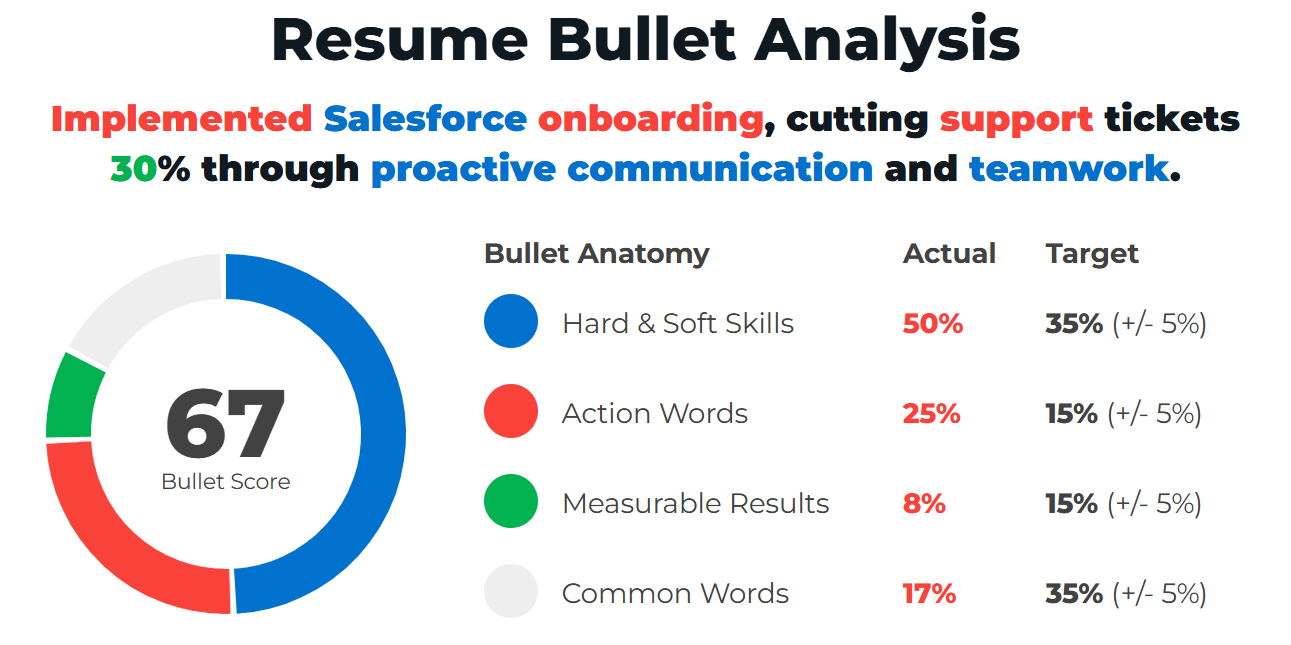
“Implemented Salesforce onboarding, cutting support tickets by 30% through proactive communication and teamwork”.
Use ResyBullet.io To Score & Improve Your Resume Bullets
To make sure your writing is spot-on, you can use ResyBullet.io to scan, score, and improve your resume bullets.
ResyBullet will instantly generate feedback on your bullet anatomy and suggest improvements:
Use our shortcut below to get started!
Build Your Resume With ResyBuild.io
Next, you'll want to spin up a clean, ATS-friendly resume tailored for your job description.
You can use ResyBuild.io, a free AI resume builder that helps you craft ATS-friendly resumes in no time.
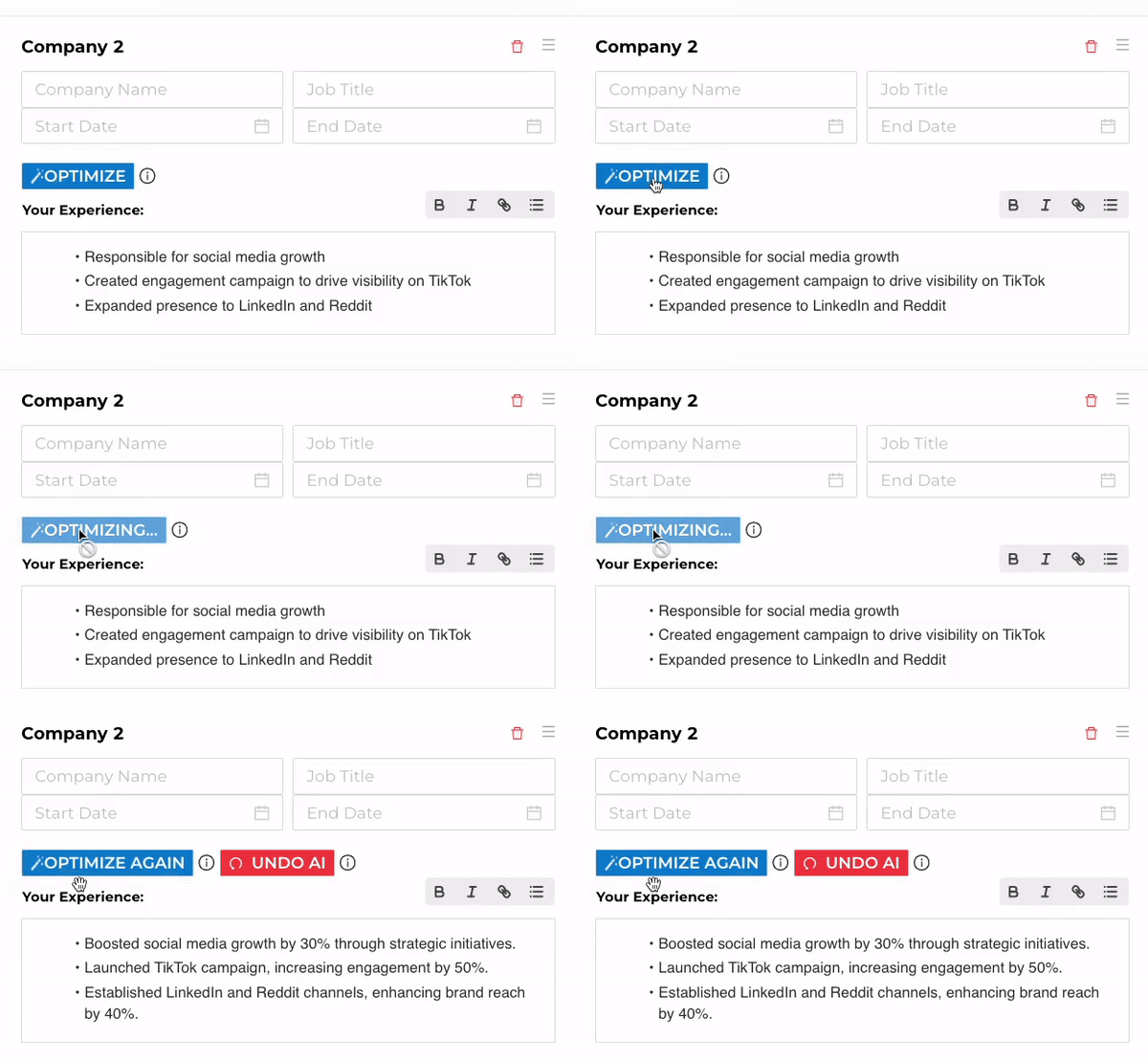
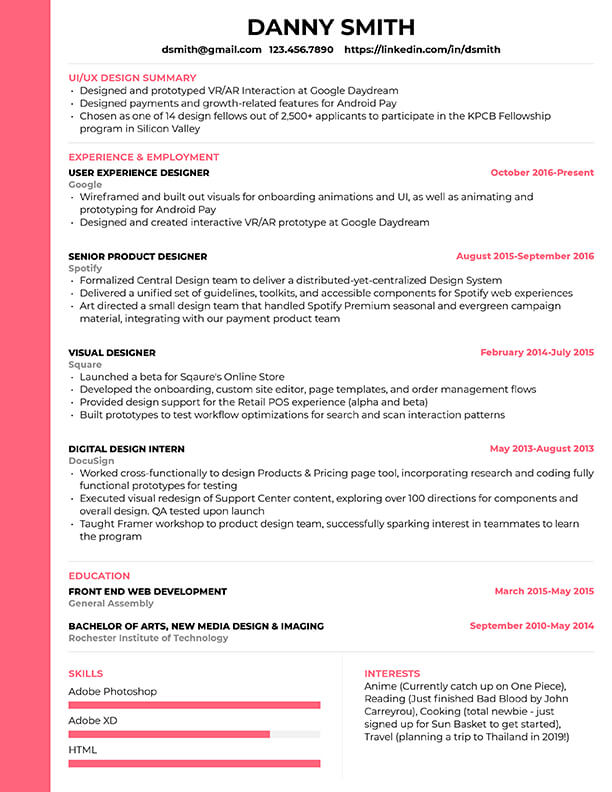
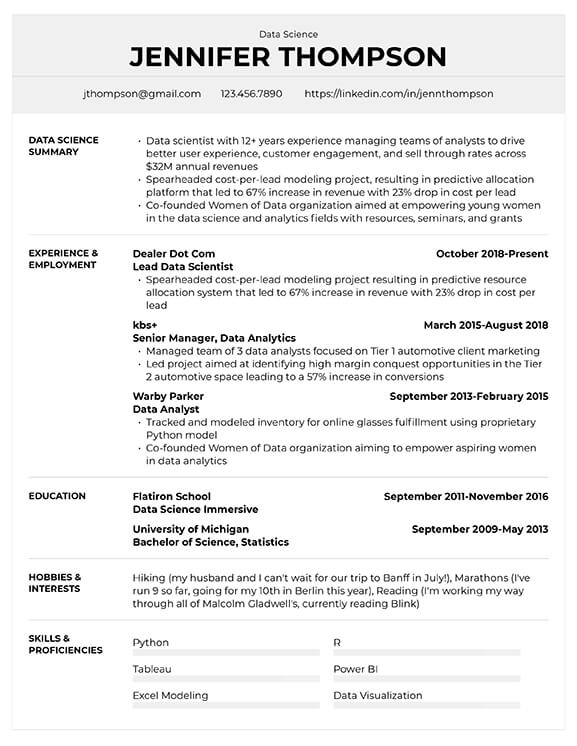
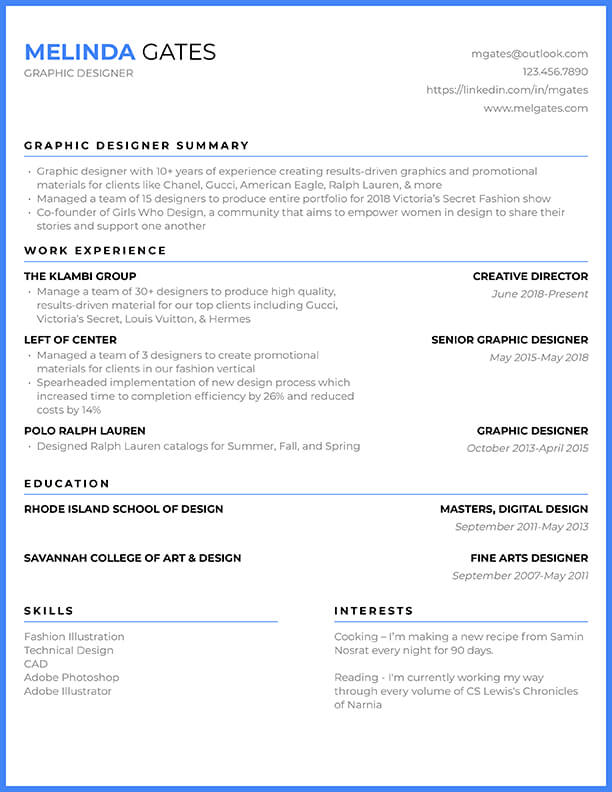
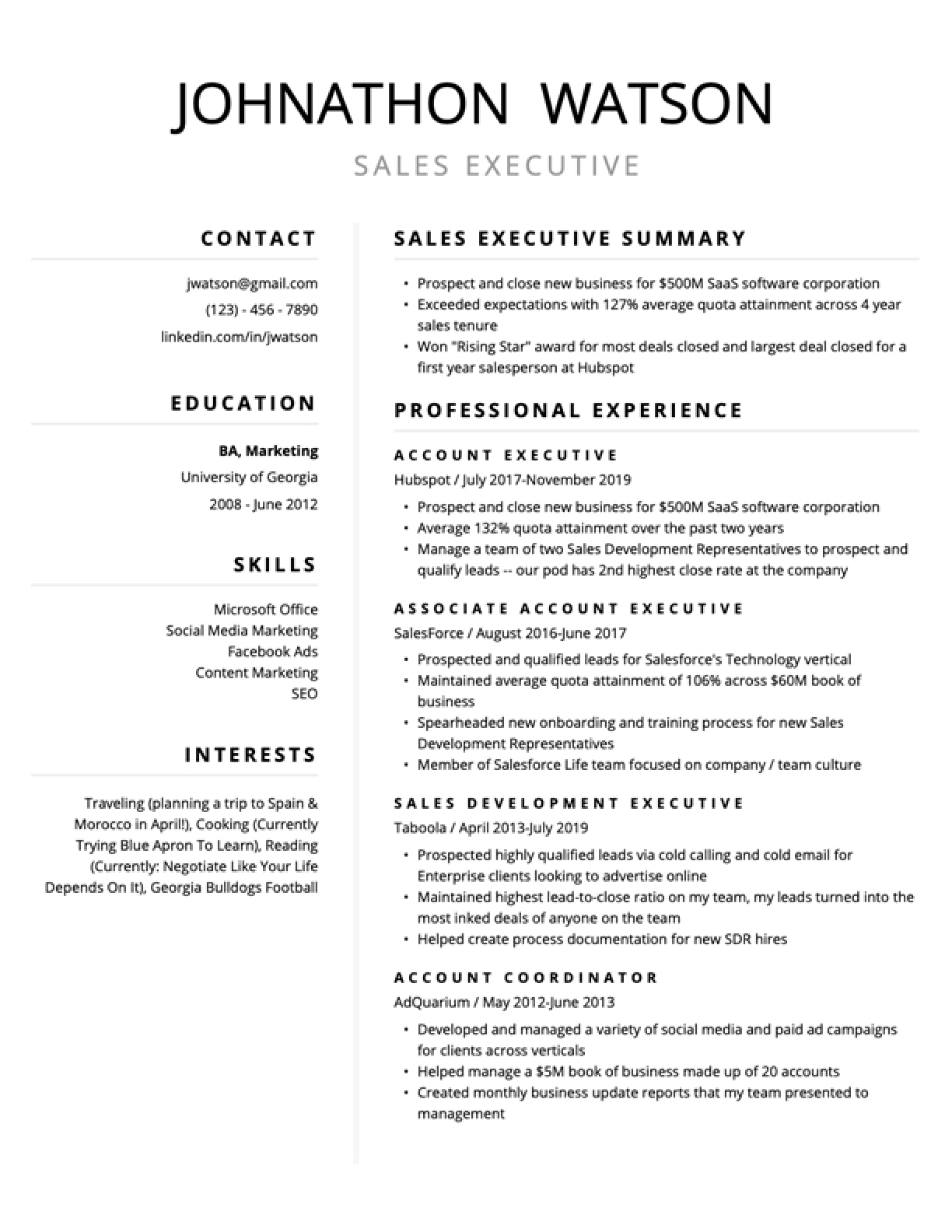
Choose from 8 proven templates and easily create, edit, and customize your resume. ResyBuild's AI assistant also helps you craft personalized, job-winning bullets in a single click. Simply add your experience, hit “Optimize”, and watch the magic happen.
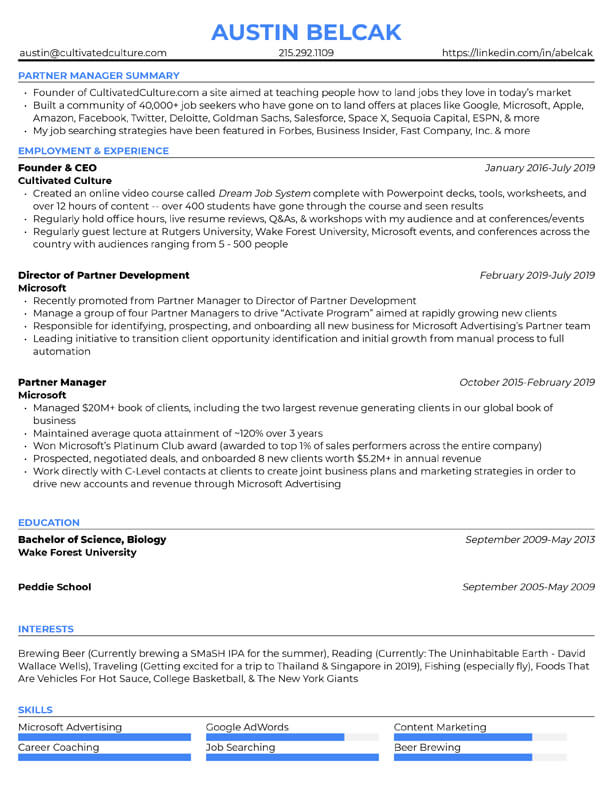
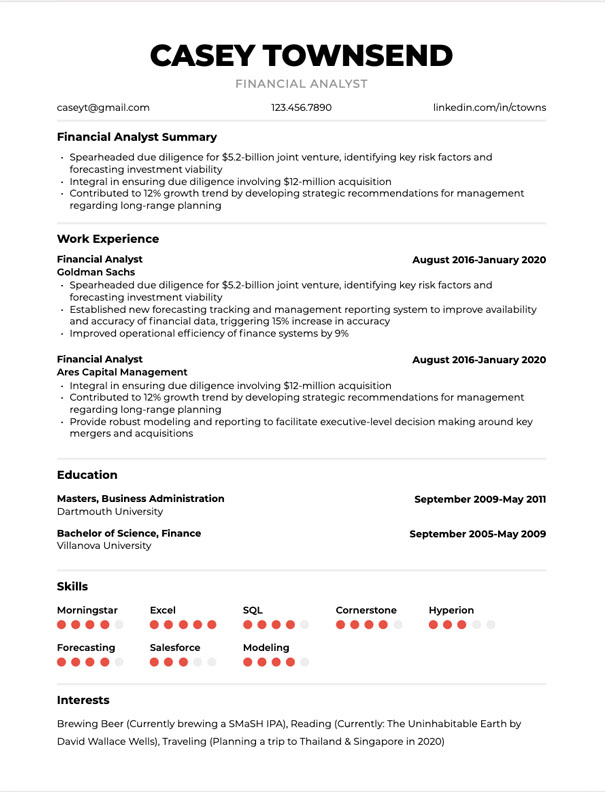
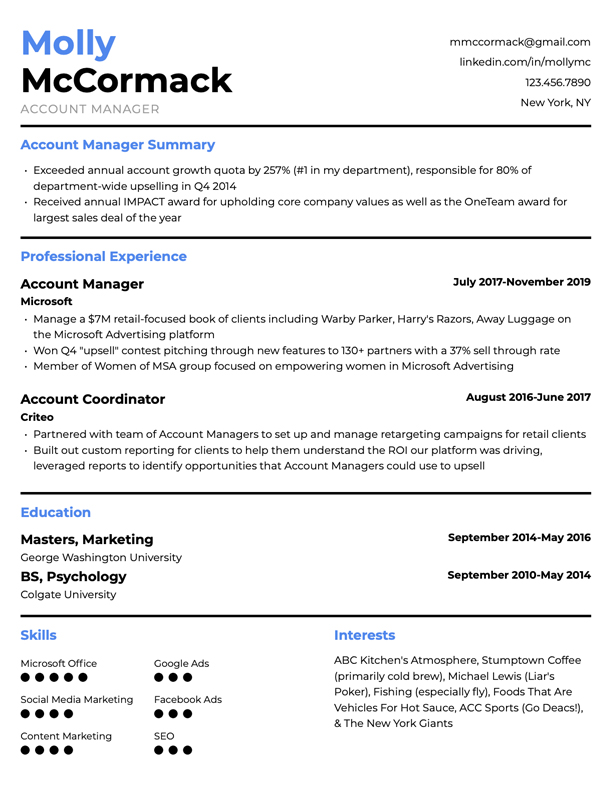
Pick a template below to get started:

Free Job-Winning Resume Templates, Build Yours In No Time.
Choose a resume template below to get started:
Recap: Your Free, Job-Winning Toolkit
ResyBuild: Create a clean, ATS-friendly resume in minutes, pre-loaded with role-specific sections.
ResyMatch: Paste the job description + your resume to see keyword gaps and alignment score, then fix them.
ResyBullet: Paste any bullet and get a punchier, quantified version (with stronger verbs and outcomes).
Use these tools as you work through the resume, and you’ll ship a tighter application than most degree-holders.
Final Thoughts
Low-stress jobs don’t mean “low ambition.” The 25 roles above let you earn solid money, build in-demand skills, and work sane hours.
Pick a lane, ship a small but mighty portfolio piece, and aim for warm introductions over cold applications. With the right artifacts and a targeted resume, you can move quickly into a better-paid, calmer role in Sales, Marketing, Product, IT, or HR.