

























The skills section of your resume might seem like a small detail — even a dismissible one. But the truth is, it can have a massive impact on whether your application makes it past the ATS and into the hands of a real human.
If you've never heard of ATS, it stands for Applicant Tracking System — software recruiters use it to filter candidates that best match the job description by scanning specific skills, experience, and keywords on their resume.
This means if your resume isn't optimized for ATS, it might not get to the right people (even if you are the best candidate for the role)!
And a big part of optimizing your resume for ATS is adding a solid skills section.
Here’s the thing, though: most job seekers treat this section like an afterthought.
They copy and paste a generic list of buzzwords or skills they think are impressive, without being mindful about what the role actually requires.
And that’s the key — your skills section isn’t just about showing what you’re good at. It’s about showing that you’re a match for the job you’re applying for.
In this guide, we’ll break down exactly how to craft a skills section that gets noticed, how to tailor it for every job, and how to back it up with the rest of your resume.
The sections of this article include:
- What is The Skills Section Of A Resume?
- How To Add The Right Skills Based On Your Target Role (With Examples)
- Skills Section Complete? Use These Tools To Build A Job-Winning Resume
- Key Takeaways
Let's get started!
What Is The Skills Section Of A Resume?
The skills section is a dedicated area of your resume where you highlight your core knowledge related to the role. In other words, the tools, technologies, and abilities that qualify you for the job.
The skills section is usually presented as a clean, easy-to-scan list of keywords, often placed at the top, side, or bottom of your resume.
While simple in format, it plays a big role in helping your resume pass the ATS filters that scan for specific keywords from the job description.
It also helps recruiters quickly verify whether you have the fundamental qualifications for the role before they dig deeper into your work history!
Here’s an example of what the skills section might look like on a resume for a Marketing Manager role:
- Marketing Strategy Development
- Digital Marketing
- Content Marketing
- SEO
- Social Media Management
- Campaign Management
- Email Marketing (e.g., Mailchimp, HubSpot)
- Marketing Analytics (e.g., Google Analytics, GA4, Looker Studio)
- CRM Platforms (e.g., Salesforce, HubSpot)
- Cross-Functional Team Leadership
Simple, right? But here’s the catch — simply listing skills isn’t enough. The key is making sure they have the right skills for the job you want.
How To Add The Right Skills Based On Your Target Role (With Examples)
Most resumes fail because they aren’t tailored to the job description.
Imagine you are applying for a Content Marketing Manager role at a SaaS company — let's call it BrightLoop.
This is what they are asking in their job description:
Content Marketing Manager
Location: Remote (Global)
Job Type: Full-timeAbout Us
At BrightLoop, we believe that great content drives meaningful connections. Our SaaS platform helps businesses automate customer journeys with simplicity and precision. We're looking for a Content Marketing Manager to own and elevate our brand voice, crafting compelling narratives that drive awareness, engagement, and customer growth.What You'll Do
As a Content Marketing Manager, you’ll be the architect of our content strategy—turning ideas into assets that support the entire customer lifecycle. You’ll work closely with Product Marketing, Demand Generation, and Sales to deliver high-impact content that educates, inspires, and converts.Responsibilities
- Develop and execute a content strategy that aligns with brand goals and drives traffic, engagement, and leads
- Manage the editorial calendar and oversee content production across formats: blogs, whitepapers, case studies, email campaigns, video scripts, and social media
- Collaborate with internal stakeholders (product, sales, customer success) to develop content that supports launches, campaigns, and enablement
- Write, edit, and optimize high-quality content for SEO, brand voice, and conversion goals
- Leverage AI tools to improve efficiency in content creation, research, and repurposing
- Analyze content performance using tools like Google Analytics, HubSpot, and SEO platforms, adjusting strategies as needed
- Manage freelance writers, designers, and video creators when necessary
- Stay up-to-date with content trends, SEO best practices, and competitors to ensure our content stays fresh and competitive
Requirements
- 3–5 years of experience in content marketing, preferably in B2B SaaS or tech
- Exceptional writing, editing, and storytelling skillsExperience building and executing content strategies that drive measurable resultsProficiency in SEO principles, content analytics, and marketing automation platforms (e.g., HubSpot, Marketo
- Strong project management skills with the ability to juggle multiple projects and deadlines
- Comfortable using AI tools to support content creation and productivity
- A collaborative mindset, with the ability to work cross-functionally with marketing, product, and sales teams
And your resume includes the following skills section:
- Content Writing & Editing
- SEO
- Social Media Management
- Marketing Analytics (e.g., Google Analytics, GA4)
- CMS (e.g., WordPress)
Looks good, right?
Sure, you've got some of the main skills in there. But you are also missing hard skills like:
- Product
- Sales
- Brand
- AI Tools
- Hubspot
- Video
- SaaS
And those are all skills that are required in the job description!
Even if you don't master all of these skills, it's still nice to know what areas you can upskill and improve.
Now, you might be asking yourself:
“Okay, so what should I put in the skills section of my resume, and how do I know what skills fit the job description?”
Well, it's easier than you think!
Here’s a step-by-step process to help you do it:
Step 1: Grab The Job Description For Your Target Role
Start with the job description for the exact role you’re applying for. This document isn’t just a summary of the job — it’s a cheat sheet that tells you exactly what the company is looking for in a candidate.
Step 2: Run The Job Description Through ResyMatch.io
ResyMatch.io is a free resume scanner that compares your resume with the job description and matches it for existing keywords.
Even if you don't have a resume, you can simply scan the job description with ResyMatch.io and find out the main hard and soft skills the company is looking for in the ideal candidate, and optimize your resume with the right amount of keywords!
Head over to ResyMatch.io, upload your resume, and copy and paste the job description to find out the missing gaps:
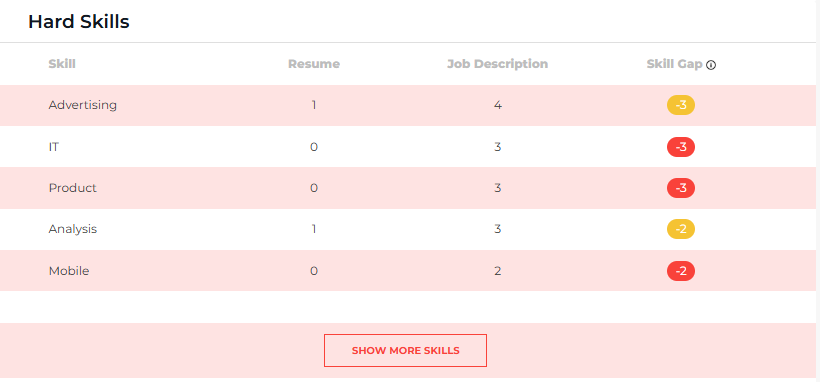
Or simply select “Job Description Scanner” and paste the job description if you don't have your resume with you!
You can also use the shortcut below to get started:
Scanning...

Step 3: Optimize Your Skills Section
Now that you’ve pulled the right skills from the job description using ResyMatch.io, it’s time to update your resume.
Your goal here is simple: make it crystal clear to both the ATS and the hiring manager that you have the skills needed for the role.
Here’s how to do it:
- Focus on the most relevant skills. Prioritize the skills that are repeated in the job description or listed under “Requirements” and “Qualifications.”
- Match the language exactly. If the job description says “Cross-Functional Collaboration,” use that, not “Teamwork” or “Working with others.” This helps your resume pass the ATS scan and resonates better with recruiters.
- List 5–10 key skills. Keep it clean and scannable. A good mix of technical skills (like tools and platforms) and core competencies (like project management or communication) works best.
- Be honest. Only add the skills you actually have. The goal is alignment, not keyword stuffing.
Once your skills section is optimized, you’re not just showing what you’re good at: you’re showing that you’re the right person for this specific job.
Step 4: Proofread Your Resume (Yes, Even Your Skills Section)
Once you’ve optimized your resume with the right skills, tools, and keywords, it’s time to double-check your work.
It sounds simple, but proofreading is one of the most overlooked steps — and one of the easiest ways to accidentally sabotage a great resume.
Here’s what to look for:
- Spelling errors: This includes obvious typos but also tool names (e.g., HubSpot, not Hubspot) and certifications.
- Formatting consistency: Are your bullet points aligned? Are fonts and text sizes consistent?
- Keyword accuracy: Double-check that the skills listed match the exact language used in the job description, where possible.
To make things easier, can use an app like Grammarly to easily spot these issues throughout your resume.
A clean, error-free resume signals attention to detail — something every employer values.
Step 5: Refresh For Every Job You Apply To
This is the step most job seekers skip — and it’s one of the most important.
Every job description is slightly different. Even if the title is the same, one company might prioritize content creation while another focuses on analytics or product enablement.
If you send the same resume to every job, you’re almost guaranteed to miss key opportunities to align your skills with the role.
Here’s how to make refreshing easier:
- When you find a new job posting, scan it with ResyMatch.io to instantly spot new keywords and skill priorities.
- Update your skills section to reflect those keywords, making sure they match your experience.
- Quickly review your summary and bullet points to highlight the most relevant accomplishments for that specific role.
It might feel like extra work, but tailoring your resume for each job is one of the highest ROI tasks in your job search. It dramatically increases your chances of getting through ATS filters and landing interviews.
Skills Section Complete? Use These Tools To Build A Job-Winning Resume
Your skills section is only one part of the story. If you want a resume that gets noticed, the rest of your document needs to be just as strong.
1. Write Impactful Resume Bullets With ResyBullet
Your skills tell the recruiter what you can do. Your experience tells them how you’ve done it — and what impact you’ve had.
ResyBullet.io helps you write powerful, results-driven bullets that showcase your achievements and outcomes, not just your responsibilities.
For example, instead of:
“Managed marketing campaigns for multiple clients.”
Use something like:
“Led 5+ marketing campaigns that increased client revenue by 27% on average.”
Better, right? That’s the power of measurable impact!
This is what our second bullet point scored on ResyBullet:
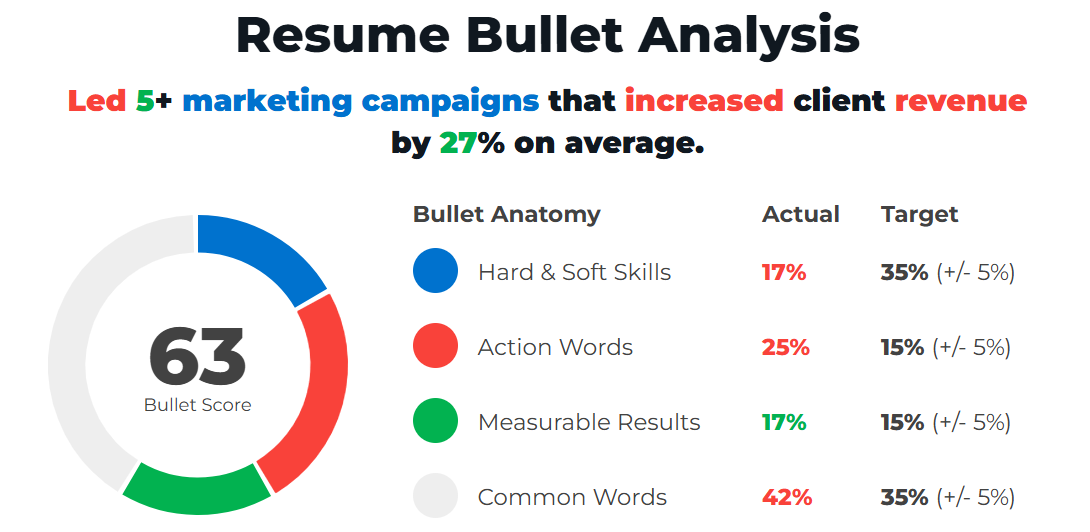
If you need help writing your resume bullet, this video walks through an easy step-by-step:
Use the shortcut below to get started:
2. Craft A Professional, ATS-Friendly Resume With ResyBuild.io
Even the best-written resume can get rejected if it’s poorly formatted.
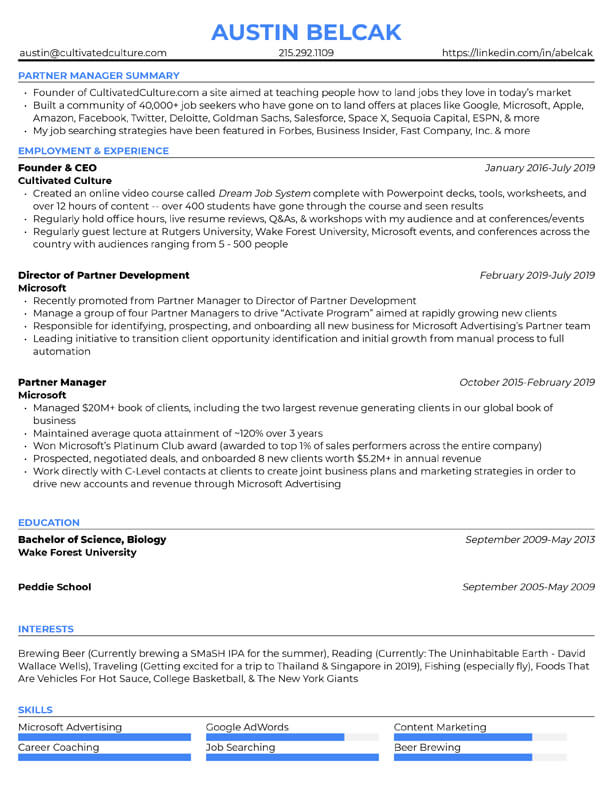
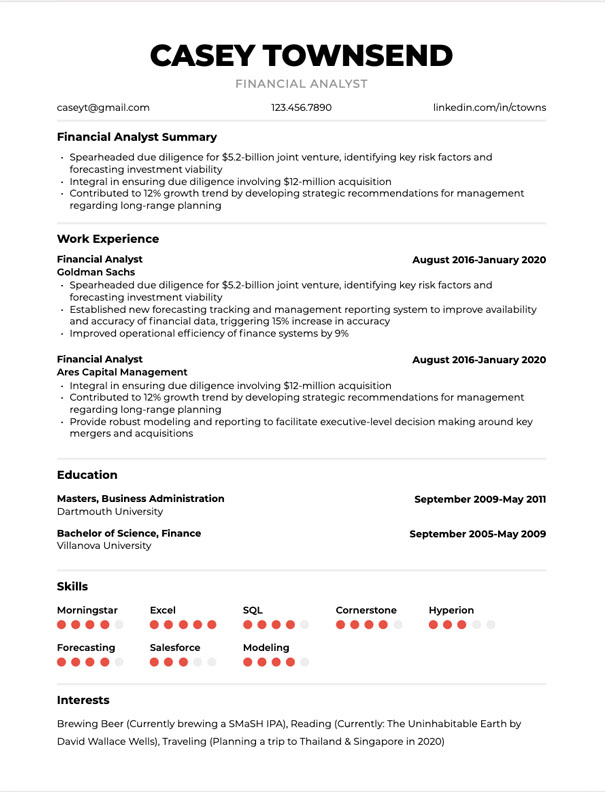
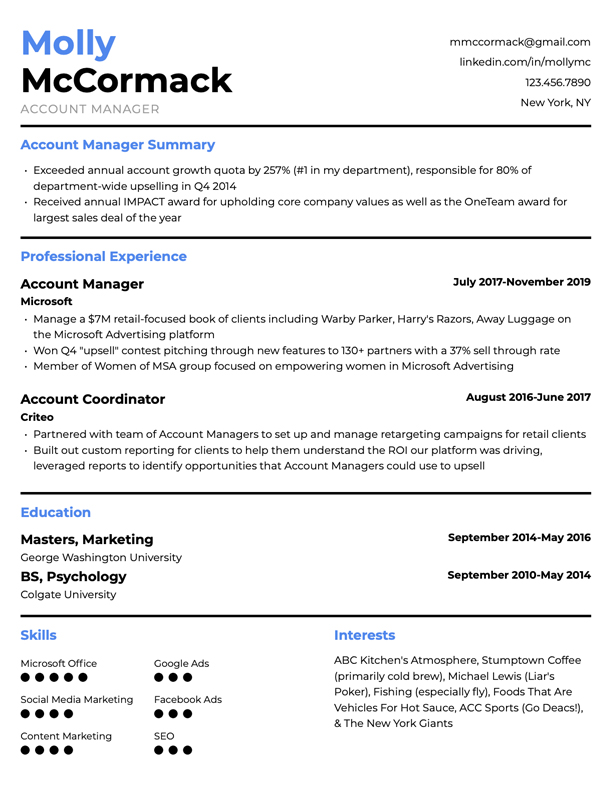
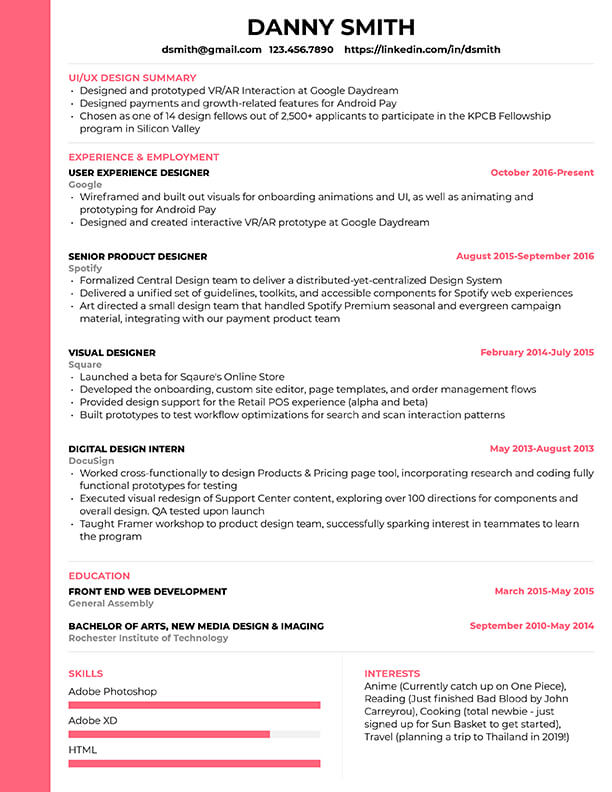
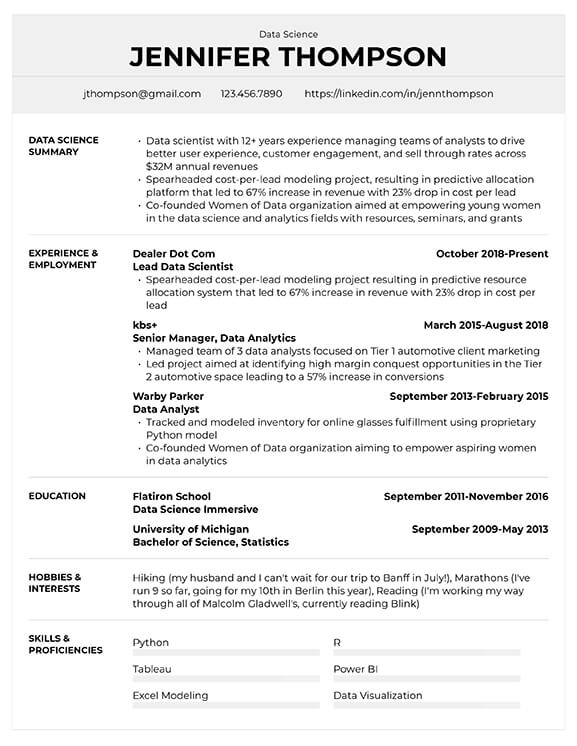
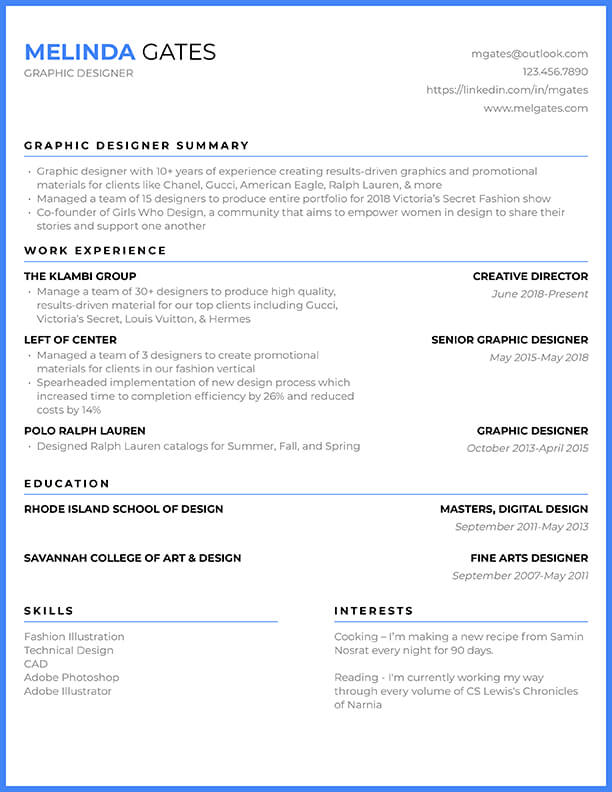
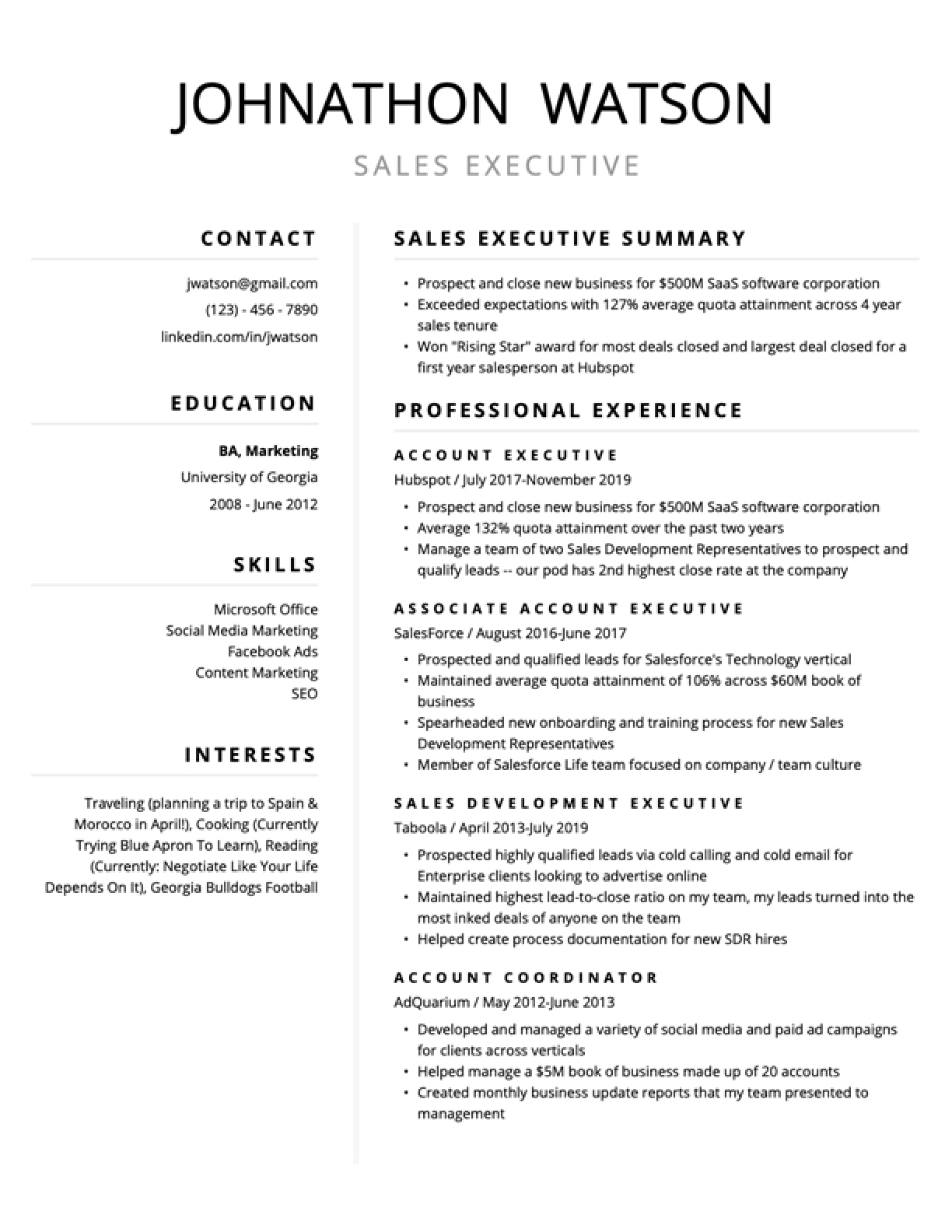
ResyBuild.io is a resume builder that offers clean, professional templates designed to pass ATS filters while being easy for hiring managers to read.
Choose from 8 proven templates and easily create, edit, and customize your resume. ResyBuild's AI assistant also helps you craft personalized, job-winning bullets in a single click. Simply add your experience, hit “Optimize”, and watch the magic happen.
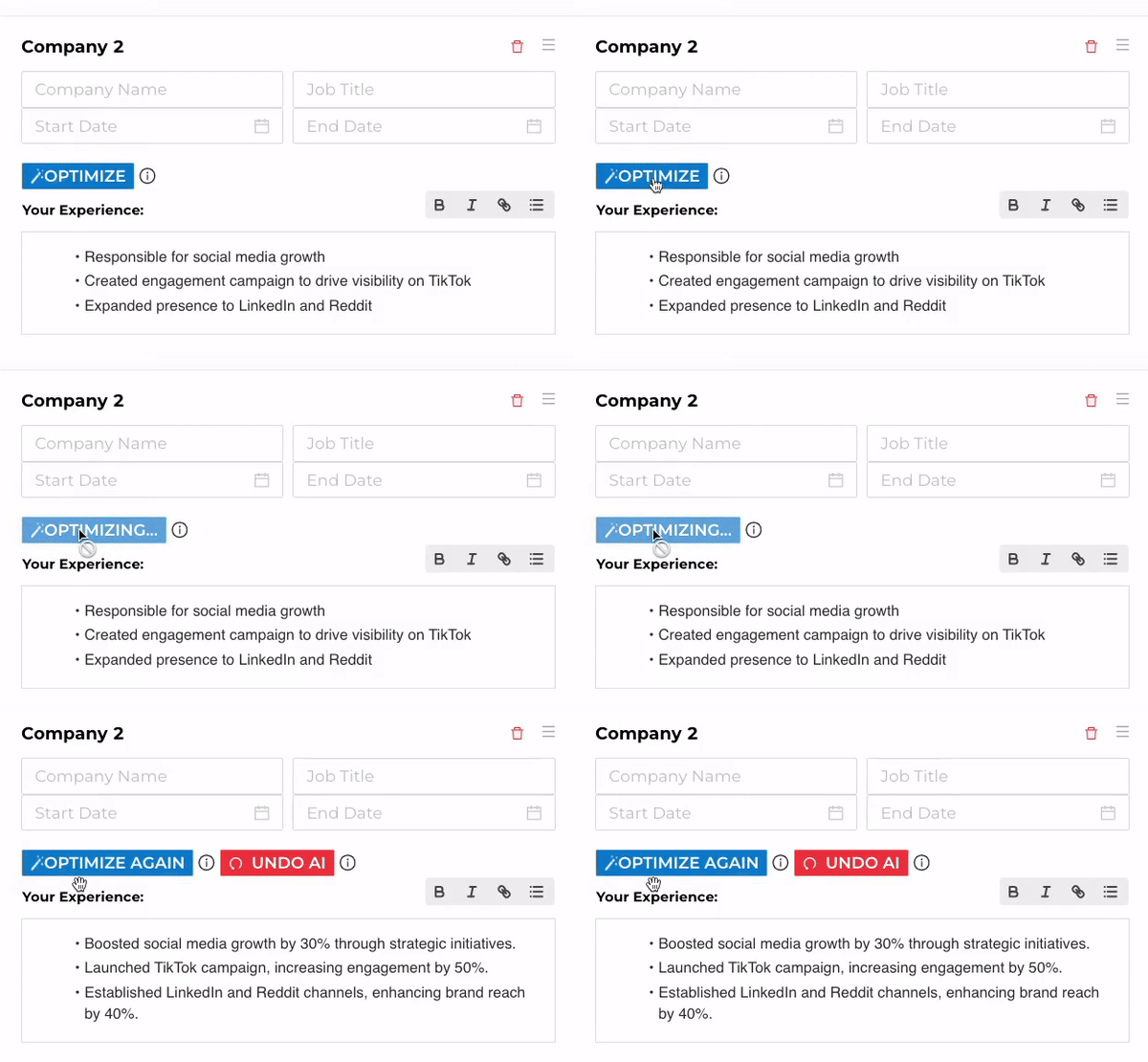
Choose a template below to get started:

Free Job-Winning Resume Templates, Build Yours In No Time.
Choose a resume template below to get started:
Key Takeaways: How To Tailor The Skills Section Of Your Resume (Step-by-Step)
Want the TL;DR? Here’s a step-by-step recap of how to craft a job-winning skills section that actually gets you interviews.
- Grab the job description. This is your blueprint. It tells you exactly what skills, tools, and qualifications the company is looking for.
- Scan it with ResyMatch.io. Use ResyMatch.io to pull out the keywords, hard skills, soft skills, and tools mentioned in the job description.
- Optimize your skills section. Add the most relevant skills from the job description to your resume, focusing on the ones you actually possess. Match the language wherever possible.
- Proofread your resume. Double-check for spelling, formatting, and keyword accuracy. Make sure your skills are honest and clearly presented.
- Refresh for every job. Repeat this process each time you apply. Every job has slightly different priorities, and a tailored resume gets more interviews.
When your skills section is customized — and supported by strong bullet points, a clean format, and ATS-friendly keywords — your resume does exactly what it’s supposed to do: get you in the door for interviews!